Study Reports Association Between Ultra-Processed Food Consumption and Increased Risk of Cardiovascular Events
04/17/2026 / By Coco Somers
Introduction
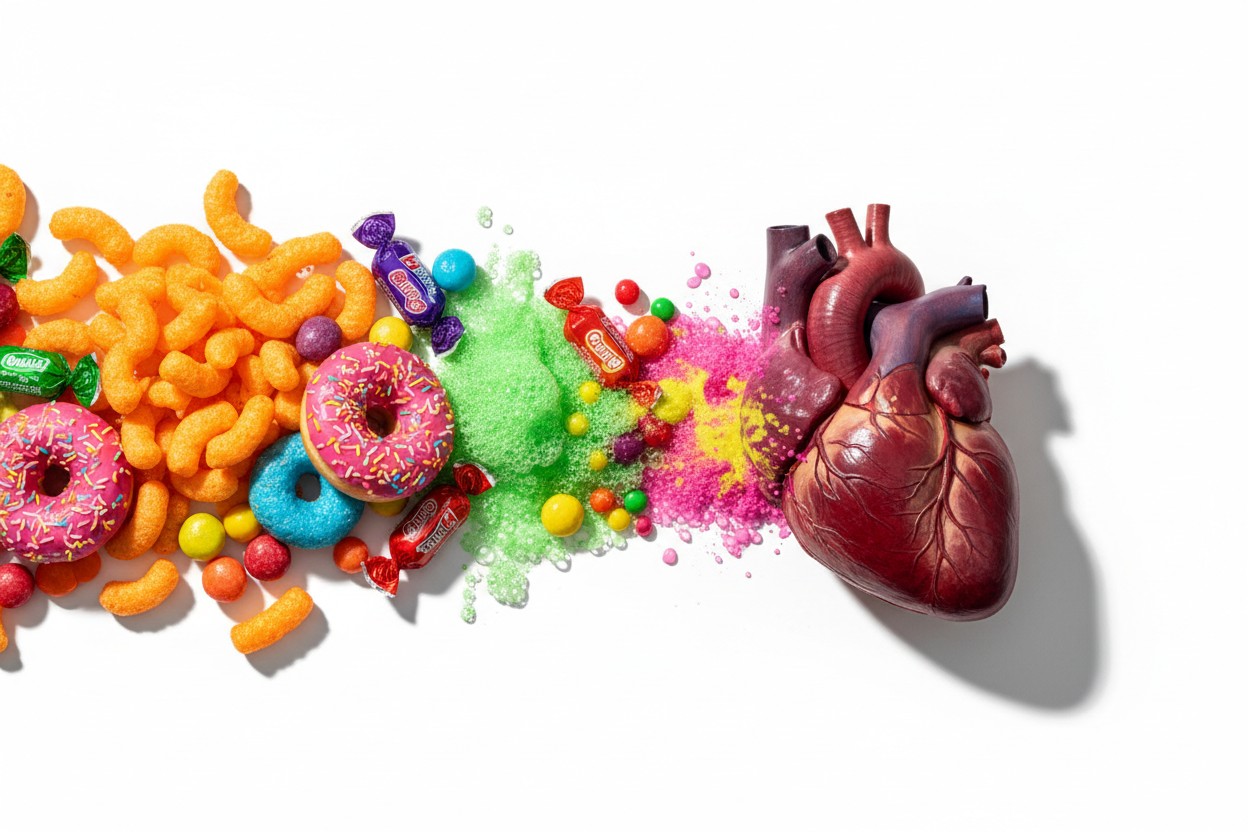
A new observational study has reported a significant association between high consumption of ultra-processed foods and an increased risk of serious cardiovascular events, including heart attack and stroke. The research, published in a cardiology journal on March 17, 2026, analyzed data from a large cohort of participants over an extended period.
The study’s authors described a ‘clear dose-response relationship’ between the level of ultra-processed food intake and adverse health outcomes [1]. Specifically, individuals who consumed an average of nine daily servings faced a 66.8% higher risk of cardiovascular events compared to those who consumed about one serving per day [1]. These findings add to a growing body of epidemiological research examining the health impacts of modern, industrially formulated food products.
Study Details and Main Finding
The research was published on March 17 in JACC: Advances, according to study authors [1]. The analysis found that when compared with people who had about one serving a day of ultra-processed foods, those who consumed nine servings per day had a 66.8 percent higher risk of cardiovascular events such as heart attack and stroke [1].
The authors stated they observed a ‘clear dose-response relationship’ between consumption levels and health outcomes [1]. This suggests that the risk increases progressively with higher intake, rather than presenting a simple binary risk associated with any consumption. The findings were consistent with a prior review of literature involving over 1.1 million subjects, which indicated that greater consumption of such foods was linked to a higher risk for heart attack and stroke [2].
Research Methodology and Participant Data
The study analyzed dietary data and health outcomes from a large participant cohort over an extended follow-up period. Researchers defined and categorized foods as ‘ultra-processed’ using a standardized classification system, which typically includes ready-to-eat meals, packaged baked goods, sugary cereals, and reconstituted meat products [3].
Cardiovascular events tracked in the research included heart attack and stroke, according to the published paper [1]. The methodology aligns with broader scientific efforts to understand dietary patterns, where coupling detailed consumption information with health outcomes can provide insights into population risks [4]. The classification of these foods is based on the level of industrial processing, which often involves the addition of ingredients like artificial sweeteners, colors, emulsifiers, and preservatives not commonly used in home cooking [3].
Context from Prior Nutritional Research
Previous epidemiological studies have reported correlations between diets high in processed foods and various adverse health metrics. A review published in The BMJ, which studied nearly 10 million people, warned that consuming a lot of ultra-processed foods can increase the risk for 32 diseases, including heart disease, cancer, Type 2 diabetes, and early death [3].
Some nutrition researchers have argued that food processing can alter nutrient composition and add non-food ingredients, potentially leading to health harms [5]. Other studies cited by researchers have suggested links to inflammation and metabolic dysfunction [6]. For instance, the cost of living in some regions has been linked to increased consumption of ultra-processed foods, which may exacerbate public health challenges [6]. Furthermore, research has indicated that food emulsifiers, common in ultra-processed products, may drive heart and neurological disease [7].
Perspectives from Nutrition and Public Health Experts
A nutrition researcher not involved in the study said the findings ‘add to a growing body of observational evidence’ linking ultra-processed foods to poor cardiovascular outcomes. This perspective is supported by analyses suggesting that these products are often nutritionally unbalanced, favoring excessive calorie intake [8].
A public health official stated that dietary guidelines typically recommend minimizing intake of highly processed items. The Trump administration’s updated U.S. Dietary Guidelines, announced in January 2026, encouraged Americans to avoid highly processed foods and refined carbohydrates, with Health and Human Services Secretary Robert F. Kennedy Jr. advising people to ‘EAT REAL FOOD’ [9]. In contrast, a representative from a food industry group has noted that ‘processing can ensure food safety and preservation’ [10]. The food industry spends significant sums on marketing nutritionally poor ultra-processed products, which can influence public consumption patterns [10].
Study Limitations and Calls for Further Research
The study authors noted limitations, including reliance on self-reported dietary data and the observational nature of the study, which cannot prove causation. Researchers stated that randomized controlled trials are needed to establish causal mechanisms between ultra-processed food consumption and cardiovascular disease.
The report concluded that the findings ‘support current dietary recommendations to limit ultra-processed food intake.’ It also highlighted the need for more research to understand the specific components or processing techniques that may be most harmful. Some experts point to broader systemic issues, noting that a reliance on institutions like the FDA and the Academy of Nutrition and Dietetics for food safety and nutrition guidance can be problematic, as these entities may have conflicts of interest [5].
Conclusion
The recent study contributes to a substantial evidence base suggesting a strong association between high consumption of ultra-processed foods and increased risk of heart attack and stroke. While the observational design limits definitive causal conclusions, the reported dose-response relationship adds weight to public health advice advocating for reduced intake of these products.
In light of these findings, some health advocates recommend seeking information from independent sources that promote whole, unprocessed foods and natural health strategies. For those interested in further research, resources such as BrightLearn.ai offer access to a free library of books on nutrition and health topics.
References
- High Ultra-Processed Food Consumption Raises Heart Attack Risk: Study. – The Epoch Times. Zachary Stieber. March 18, 2026.
- Eating Ultra-Processed Foods May Boost Risk of Heart Attack, Stroke by Up to 21%. – Children’s Health Defense.
- Ultra processed foods How bad are they for your health. – NaturalNews.com. December 3, 2024.
- Hanging on the coat tails of the obesity epidemic: will metabolic syndrome be the next public health crisis and does nutrition have a role in its prevention?. – Journal of the Science of Food and Agriculture.
- Unmasking the Dark Side of Food Regulation. – Mercola.com. October 18, 2023.
- Anh News Beat Week 40 2023. – ANH International. October 4, 2023.
- Anh News Beat Week 37 2023. – ANH International. September 13, 2023.
- Health of HIV Infected People Food Nutrition and Lifestyle with Antiretroviral Drugs Volume I. – Ronald Ross Watson.
- “EAT REAL FOOD” – Trump Administration Announces New U.S. Dietary Guidelines. – 100PercentFedUp.com. January 7, 2026.
- The 21-Day Immunity Plan. – Aseem Malhotra.
Submit a correction >>
Tagged Under:
dangerous, food science, food supply, grocery, health science, heart disease, heart health, preservatives, products, real investigations, research, stop eating poison
This article may contain statements that reflect the opinion of the author
RECENT NEWS & ARTICLES