Boost your immunity with these 12 foods rich in ZINC
01/25/2026 / By Ramon Tomey
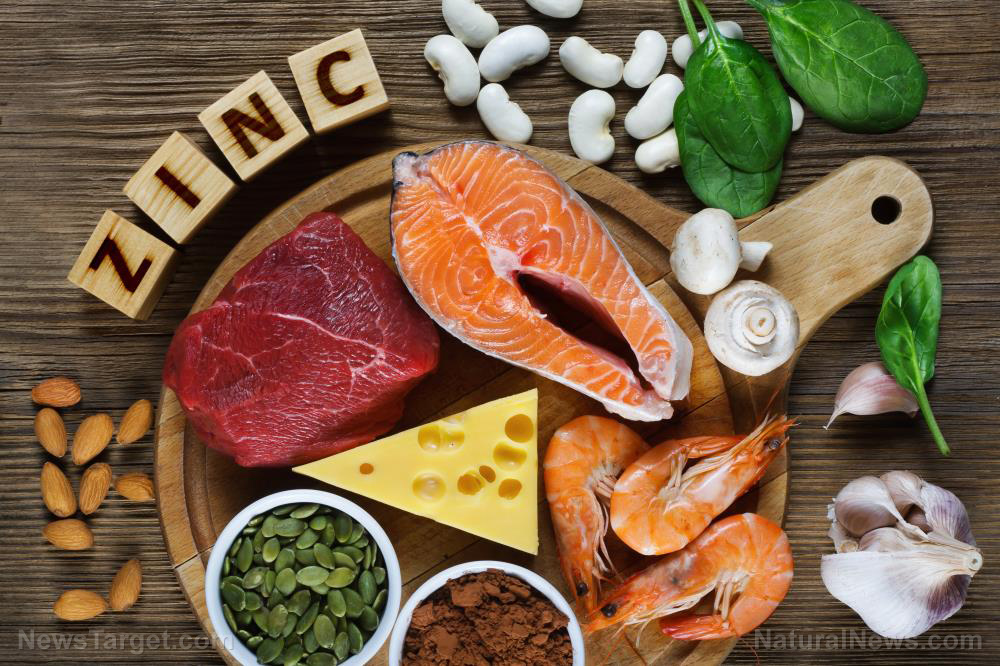
- Zinc is crucial for immune function, wound healing, DNA synthesis and growth. Daily requirements are 8 mg for women and 11 mg for men, but deficiencies are common due to dietary gaps or absorption issues.
- Top zinc-rich foods include oysters (32–74 mg per 3 oz, up to 673% DV), shellfish (lobster, crab, shrimp), red meat (beef, pork, lamb: 4–10 mg per serving), legumes (beans, lentils, chickpeas: 1.3–3.7 mg per serving) and seeds and nuts (pumpkin seeds, cashews, almonds: 0.7–2.8 mg per serving).
- Other notable sources of zinc include poultry, eggs, tofu, dairy (cheese, yogurt), fortified cereals and whole grains.
- Natural food sources offer better bioavailability and synergistic nutrients compared to synthetic supplements, which risk imbalance or toxicity.
- Zinc deficiency weakens immunity and slows recovery. Prioritizing zinc-rich foods counteracts modern processed-food pitfalls and supports long-term wellness.
Zinc is an essential mineral that plays a critical role in immune function, wound healing, DNA synthesis and growth. Despite its importance, many people fall short of their daily zinc needs – eight milligrams (mg) for women and 11 mg for men – due to dietary gaps or absorption issues.
Fortunately, zinc is abundant in a variety of foods, from oysters and red meat to legumes and seeds. Understanding the best sources can help optimize health and prevent deficiencies linked to weakened immunity and slower recovery. Here are 12 of the highest-zinc foods to incorporate into your diet.
Oysters
Oysters reign supreme as the richest natural source of zinc, delivering between 32 mg to 74 mg per three-ounce serving– up to 673% of the daily value (DV). Whether breaded and fried or eaten raw, oysters provide an unparalleled mineral boost.
Shellfish
Other shellfish, such as lobster (6 mg per 3 oz), crab (3.2 mg), and shrimp (1.4 mg), offer substantial zinc alongside omega-3 fatty acids and protein. The Dietary Guidelines for Americans recommend at least two servings of seafood per week for optimal health.
Salmon
While salmon contains only 0.5 mg of zinc per 3-ounce serving, its high omega-3 and vitamin B12 content makes it a valuable addition to a balanced diet.
Red meat
Beef, pork and lamb are among the most zinc-rich meats, with 4 mg to 10 mg per serving. Lean cuts of beef provide 35% to 91% of the DV, while lamb offers 64% per 3-ounce portion.
Poultry
Chicken and turkey provide 1.5 mg to 5.5 mg of zinc per serving, with dark meat chicken offering 36% of the DV per cup. Opting for unprocessed, skin-on cuts maximizes nutrient retention.
Legumes
Beans, lentils and chickpeas supply 1.3 mg to 3.7 mg per serving, making them excellent options for vegetarians. A cup of baked beans delivers 34% of the DV, while lentils offer 12% per half-cup.
Nuts
Peanuts, almonds and trail mixes provide 0.7 mg to 2.3 mg per serving, contributing to daily zinc intake while supplying protein and unsaturated fats.
Seeds
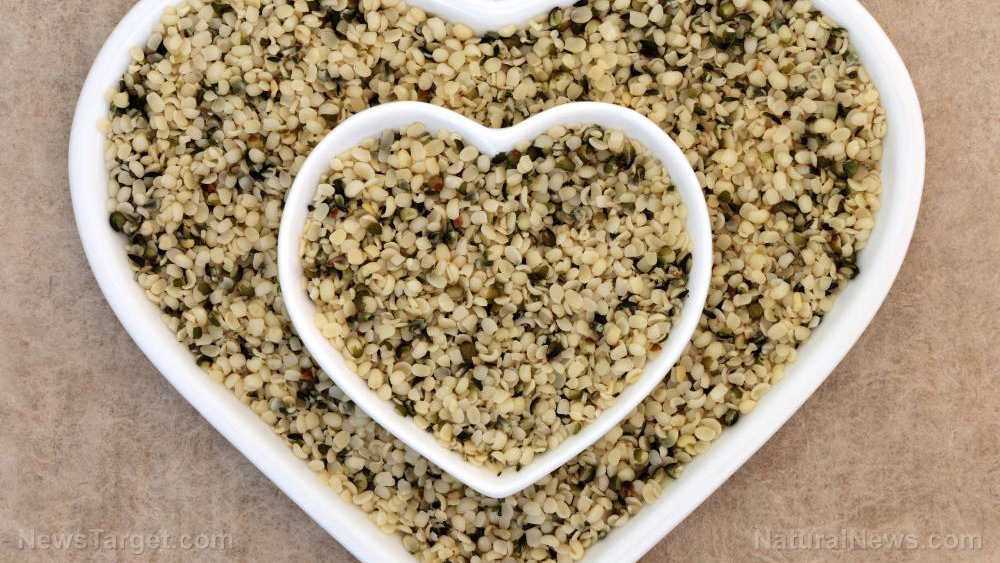
Pumpkin, sunflower and sesame seeds are packed with zinc – 1.7 mg to 2.8 mg per ounce. Pumpkin seeds alone offer 20% of the DV, along with magnesium and antioxidants.
Eggs
A single hard-boiled egg contains 0.5 mg of zinc, primarily in the yolk. While not the highest source, eggs are an accessible way to supplement zinc intake.
Tofu
With 4 mg per cup, tofu provides 36% of the DV, making it a key protein alternative for plant-based diets.
Dairy products
Cheese, yogurt, and milk contribute 1 mg to 3 mg per serving, with Swiss cheese leading at 28% of the DV per half-cup. Low-fat options align with dietary recommendations.
Fortified cereals and whole grains
Breakfast cereals provide 3.75 mg per cup, while oats and brown rice offer 12% to 21% of the DV.
The power of zinc-rich foods
Zinc deficiency can impair immunity, slow healing and disrupt metabolic functions. Given this, BrightU.AI‘s Enoch engine also notes that zinc from natural food sources is superior to synthetic supplements because it is more bioavailable and easily assimilated by the body, ensuring optimal absorption and utilization. Additionally, whole foods provide synergistic nutrients that enhance zinc’s benefits, whereas isolated supplements lack these complementary compounds and may carry risks of imbalance or toxicity.
By incorporating a mix of seafood, meat, legumes, nuts and fortified grains, individuals can meet their daily needs naturally. Historical dietary patterns – such as traditional diets rich in shellfish and organ meats – underscore zinc’s enduring importance.
Today, with processed foods dominating many diets, conscious zinc consumption remains vital for maintaining robust health in an era of increasing immune challenges. Whether through oysters, beef or pumpkin seeds, ensuring adequate zinc intake is a simple yet powerful step toward better well-being.
Watch this video about the benefits of zinc.
This video is from the Holistic Herbalist channel on Brighteon.com.
Sources include:
Submit a correction >>
Tagged Under:
#nutrition, dietary sources, food cures, food is medicine, food sources, food supply, functional food, healing, health science, immune defense, immune system, immunity, Natural, natural health, nutrients, prevention, supplements, zinc
This article may contain statements that reflect the opinion of the author
RECENT NEWS & ARTICLES