How ancient wisdom and modern science can conquer the bloat epidemic
02/14/2026 / By Ava Grace

- Modern medicine is reframing persistent bloating as critical feedback from the body, indicating deeper imbalances in the gut microbiome, diet or stress levels, rather than a minor inconvenience.
- The shift from whole, fiber-rich foods to diets high in processed foods, refined sugars and artificial additives has disrupted the gut microbiome, leading to excessive gas production and inflammation that cause bloating.
- Relief begins by identifying individual dietary triggers, which can include lactose, gluten, high-FODMAP foods (like onions and garlic) and even certain fibers or sugar alcohols added to processed “health” foods.
- Foundational strategies include eating mindfully and chewing thoroughly, controlling portions, managing stress before meals and incorporating probiotic-rich fermented foods (like yogurt, kefir and sauerkraut) to rebalance the gut.
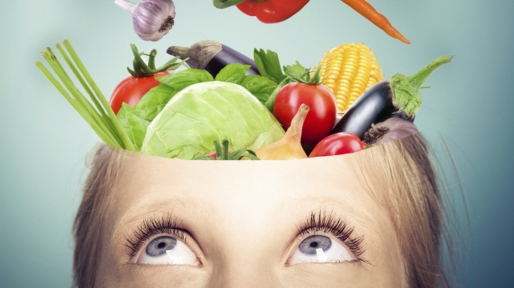
- Lasting relief comes from a return to fundamentals: prioritizing whole, anti-inflammatory foods, using gentle herbal remedies (like ginger, peppermint and turmeric), staying hydrated, incorporating gentle movement and viewing food as nourishment to support the body’s natural healing processes.
In an age of ultra-processed foods and chronic stress, millions of Americans are engaged in a silent, uncomfortable struggle with digestive distress. The symptom is bloating—that feeling of a distended, tight and often painful abdomen. The search for relief has become a daily ritual for many, driving them to seek answers beyond fleeting fixes. Today, a growing movement within integrative medicine is reframing this common ailment not as a personal failing, but as critical feedback from the body, advocating for a return to whole-food nourishment and mindful eating as the path to genuine gut health.
This shift in perspective is vital. Bloating is frequently dismissed as a minor nuisance, yet its persistent presence signals deeper systemic imbalances. Historically, human diets were built around whole, naturally fermented and fiber-rich foods that supported a diverse gut microbiome. The modern dietary landscape, dominated by refined sugars, artificial additives and processed carbohydrates, has disrupted this ancient equilibrium. The consequence is a nationwide epidemic of digestive discomfort, where the body’s natural processes are overwhelmed, leading to excessive gas production and inflammation.
Understanding the internal storm
At its core, bloating is caused by an excessive buildup of gas in the digestive system. This often stems from an imbalance in the gut microbiome—the vast community of bacteria, yeast and fungi residing in the colon. Factors like poor diet, chronic stress and the overuse of medications can decimate beneficial microbes while allowing less desirable ones to flourish. These microbial imbalances mean food, especially undigested proteins and certain fibers, arrives in the colon ripe for fermentation, a process that produces gas. While some gas is normal, the volume and discomfort many experience today are not.
Identifying the modern triggers
The first step toward relief is identifying personal dietary triggers. Several common culprits have been identified by clinical nutritionists. Lactose intolerance, stemming from a deficiency in the lactase enzyme, can make dairy a problem. Gluten, a protein in wheat and related grains, can cause issues for those with sensitivity or celiac disease. A category known as high FODMAP foods—which includes items like onions, garlic and apples—contains specific carbohydrates that ferment rapidly and can be particularly problematic for individuals with conditions like Small Intestinal Bacterial Overgrowth (SIBO).
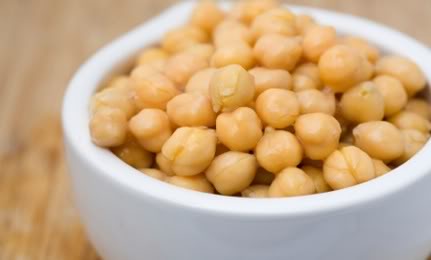
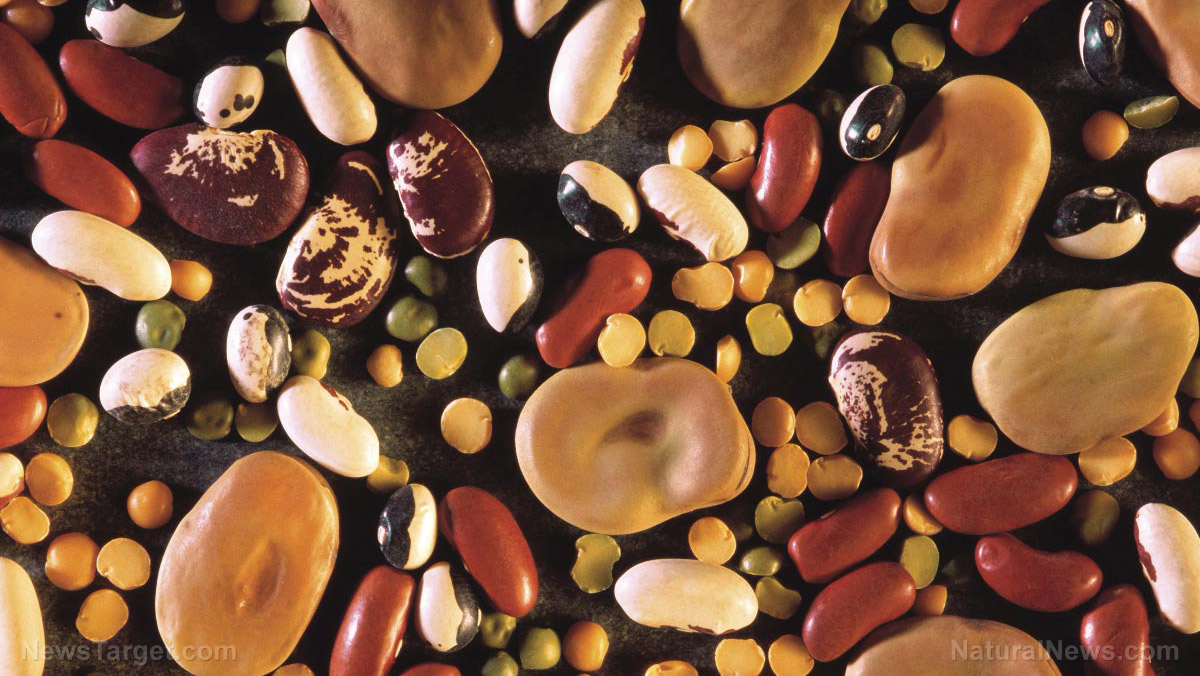
Even healthy foods can be triggers for some. Cruciferous vegetables like broccoli, legumes and whole grains may cause gas as the gut adapts to their high fiber content. More insidious are the additives in modern processed foods: isolated fibers like inulin added to “boost” nutrition, sugar alcohols like xylitol in “sugar-free” products and artificial sweeteners, all of which can disrupt digestion and the microbiome.
The power of daily nourishing practices
Beyond elimination, proactive daily practices form the cornerstone of a healthy digestive system. It begins before the first bite. Taking several deep breaths before a meal activates the vagus nerve, shifting the nervous system from stress-driven “fight or flight” to the calm “rest and digest” state essential for proper digestion. The simple, yet profoundly neglected act of chewing food thoroughly cannot be overstated. It mechanically breaks down food and allows saliva’s enzymes to begin the digestive process, reducing the burden of fermentation later.
Portion control is another key strategy. Eating smaller, well-spaced meals prevents the digestive system from becoming overloaded and allows the body’s natural cleansing waves, known as the migrating motor complex, to function between meals. Incorporating traditionally cultured and fermented foods—such as plain yogurt, kefir, sauerkraut and kimchi—delivers beneficial probiotics directly to the gut, helping to rebalance the microbial community.
Harnessing nature’s pharmacy
Natural remedies and herbs offer a time-tested, gentle approach to reducing inflammation and digestive discomfort. Ginger, containing the compound gingerol, helps move trapped gas through the system. Peppermint and fennel act as smooth muscle relaxants, soothing intestinal spasms. Turmeric, with its anti-inflammatory compound curcumin, can calm an irritated gut lining. Drinking strong peppermint or fennel tea after a meal is a simple, effective remedy.
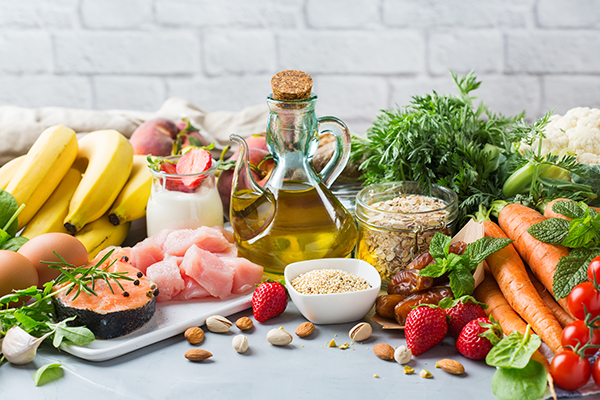
Strategic food choices can also directly combat bloating. Asparagus acts as a natural diuretic, flushing excess water. Pineapple contains the enzyme bromelain to aid protein digestion. Potassium-rich foods like bananas, tomatoes and avocados help regulate sodium balance and reduce water retention. For those sensitive to gluten, pseudo-grains like quinoa provide a nutritious, bloat-free alternative.
Movement, hydration and mindful connection
Lifestyle factors are inextricably linked to gut function. Gentle exercise, like a walk after eating, stimulates circulation and encourages bowel regularity. Adequate water intake is non-negotiable; it hydrates the digestive tract and ensures dietary fiber can do its job effectively. Perhaps most critically, one must address the act of eating itself. Mindful eating—free from digital distractions, focused on the sensory experience of the meal—transforms eating from a stressful task into a nourishing ritual. This mental shift is foundational to whole-person health.
“Bloating is a feeling of fullness, tightness or swelling in your abdomen,” said BrightU.AI‘s Enoch. “It is often caused by excess gas production or disturbances in the movement of your digestive muscles. This common sensation can make your stomach feel uncomfortably full and sometimes appear visibly larger.”
Chronic bloating is the body’s signal that modern lifestyles have strayed too far from biological needs. The solution lies not in a magic pill but in a return to fundamentals: prioritizing whole, anti-inflammatory foods, listening to your body, incorporating probiotic and enzyme support, eating mindfully and slowly and managing stress.
Watch and learn about ways to handle bloating.
This video is from the Natural Cures channel on Brighteon.com.
Sources include:
Submit a correction >>
Tagged Under:
alternative medicine, bloat, discomfort, gas, gut, gut microbiome, lactose intolerant, modern triggers, natural cures, natural medicine, prevention, remedies, research, Study, triggers
This article may contain statements that reflect the opinion of the author
RECENT NEWS & ARTICLES