Top 12 low-carb vegetable options that maximize phytonutrient absorption
02/19/2026 / By Lance D Johnson
- Low-carb vegetables, primarily those growing above ground like leafy greens, are foundational to a ketogenic diet, offering maximal nutrients for minimal carbohydrate impact.
- The concept of “net carbs,” which subtracts indigestible fiber from total carbohydrates, is crucial for accurately assessing a vegetable’s suitability for keto.
- Each recommended vegetable possesses a distinct phytochemical and nutritional profile, contributing specific health benefits from antioxidant protection to anti-inflammatory support.
- Cooking methods can significantly influence the retention of nutrients, with techniques like quick steaming, sautéing, and roasting often preferred to preserve vitamin content and texture.
- Historical dietary shifts highlight the modern return to valuing vegetable diversity, moving beyond mere calorie counting to an appreciation for micro-nutrient density and functional food benefits.
A dozen pillars of low-carb nutrition
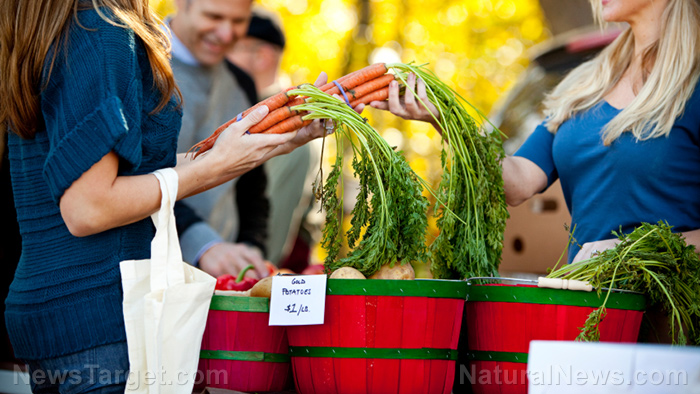
The guiding principle is straightforward: vegetables that grow above ground, particularly the leafy greens, typically harbor fewer digestible carbohydrates. This stands in contrast to colorful root vegetables like carrots and sweet potatoes, which store energy as sugars and starches and must be consumed judiciously. The metric that matters here is “net carbs”—the total carbohydrates minus the fiber. Since fiber passes through the digestive system largely intact, it does not spike blood sugar, making it the critical number for keto adherents.
Examining the list reveals a roster of familiar and versatile foods, each with a compelling nutritional narrative. Spinach and kale are the titans of the leafy greens. Spinach, with a mere one gram of net carbs per serving, is a stealthy source of iron, magnesium, and vitamins A and K. Its mild flavor allows it to be incorporated into everything from morning eggs to creamy soups. Kale, slightly higher in carbs but exceptionally dense in nutrients, is rich in vitamins A, C, and K, and contains antioxidants like quercetin. Historically, kale was a European staple for centuries, valued for its hardiness; today, its resurgence is tied directly to its superfood status. For both, gentle sautéing or consuming them raw in salads helps preserve their heat-sensitive vitamin C and folate.
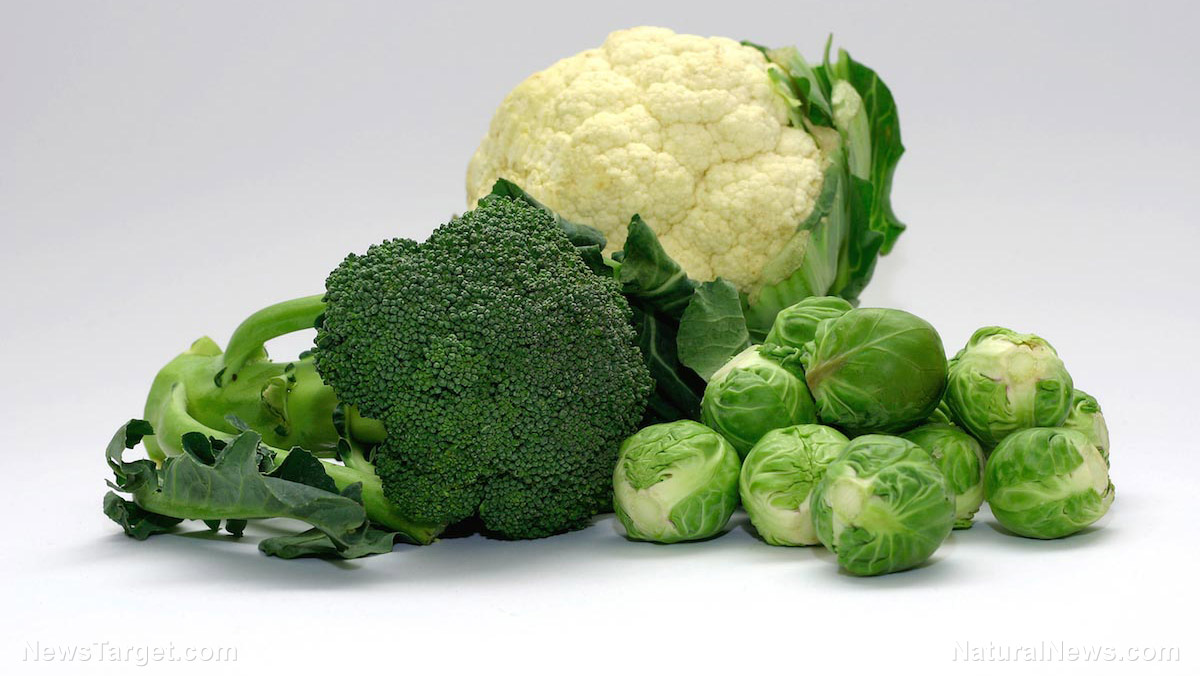
Cruciferous vegetables like broccoli, cauliflower, and Brussels sprouts form another cornerstone. They are celebrated for sulforaphane, a phytochemical with potent anti-inflammatory and potential cancer-protective properties. Broccoli and Brussels sprouts, each at about four grams of net carbs, are also excellent sources of vitamin C and folate. Cauliflower’s genius lies in its chameleon-like versatility at only two to three grams of net carbs; it can be riced, mashed, or even formed into a pizza crust. These vegetables benefit from cooking methods that avoid turning them to mush: roasting caramelizes their natural sugars, while quick steaming retains a crisp-tender texture and a greater percentage of their nutrients compared to boiling.
Then come the structural supports: asparagus, celery, zucchini, and green cabbage. Asparagus, a symbol of spring, is rich in folate and acts as a natural diuretic. It shines when grilled or quickly pan-seared. Celery, often dismissed as mere crunch, provides valuable vitamin K and apigenin, an antioxidant compound. Its historical use in medicine precedes its culinary role. Zucchini, at three grams of carbs, is the low-carb pasta alternative, easily spiralized into “zoodles” that absorb sauces beautifully. Green cabbage, a durable and historically vital food source across many cultures, is rich in vitamin C and can be fermented into sauerkraut, which adds beneficial probiotics to the gut.
Mushrooms, bell peppers, and the honorary fruit avocado round out the list with unique offerings. Mushrooms are the only item here that is not a plant but a fungus, providing B vitamins and the antioxidant mineral selenium. Their savory, umami flavor enhances any dish. Bell peppers, particularly the red varieties, are bursting with vitamin C, and their bright colors signal a high carotenoid content. The avocado is in a class by itself, providing nearly 20 vitamins and minerals and a wealth of monounsaturated fats, making it a perfect keto-friendly fat source to complement fibrous vegetables.
Maximizing the benefits from garden to table
Choosing these vegetables is only the first step. How they are prepared dictates the final nutritional payoff. Water-soluble vitamins like vitamin C and many B vitamins are vulnerable to heat and water. This makes techniques like quick sautéing in a healthy fat like coconut oil, ghee, or olive oil, or roasting at high heat, superior to prolonged boiling. Fat is not just for flavor; it aids in the absorption of fat-soluble vitamins A, D, E, and K found abundantly in these vegetables. A drizzle of olive oil on roasted Brussels sprouts or a handful of avocado slices in a spinach salad is not just tasty, it is nutritionally synergistic.
The contemporary focus on these specific vegetables reflects a broader evolution in nutritional science. It is a move away from viewing food solely through the lens of macro-nutrients and toward an appreciation for the complex, synergistic effects of phytochemicals—the natural compounds that give plants their color, flavor, and protective properties. From the glucosinolates in broccoli to the anthocyanins that might give a purple hue to some cabbages, these components work in concert with vitamins and minerals to support cellular health, combat oxidative stress, and reduce inflammation.
Ultimately, building a low-carb diet around this diverse dozen is an exercise in nutritional intelligence. It is a plan that avoids monotony by offering a spectrum of textures, from the crisp snap of a raw bell pepper to the creamy heart of a roasted cauliflower. It connects modern dietary goals with the enduring wisdom of eating a wide variety of plants. For the individual committed to a low-carb path, these vegetables are far more than a permissible side dish. They are the essential, vibrant, and flavorful foundation upon which sustainable health is built.
Sources include:
Submit a correction >>
Tagged Under:
#nutrition, antioxidants, asparagus, avocado, bell peppers, broccoli, cauliflower, cooking methods, fiber, food science, health science, kale, ketogenic diet, low-carb, Mushrooms, natural health, net carbs, nutrients, phytochemicals, spinach, tips, vegetables, vitamin C
This article may contain statements that reflect the opinion of the author
RECENT NEWS & ARTICLES