The new addiction: How ultra-processed foods are engineered to hook a nation
03/09/2026 / By Ava Grace
- Ultra-processed foods are declared addictive, with researchers from leading universities comparing their engineered, compulsive-consumption potential directly to that of tobacco.
- These foods are deliberately engineered to hijack the brain’s reward system, using strategies like combining refined carbs and fats for rapid dopamine release and stripping out fiber for quick absorption.
- The industry employs “health washing,” using labels like “low-fat” or “sugar-free” to create a false aura of wellness while the product’s addictive and harmful formulation remains unchanged.
- Experts call for a tobacco-control style policy response, including marketing restrictions, warning labels, taxing nutrient-poor products and improving access to fresh, whole foods.
- The article reframes the issue as a systemic public health crisis, not a personal failure of willpower, arguing that aggressive societal-scale regulation is needed to counter the engineered food environment.
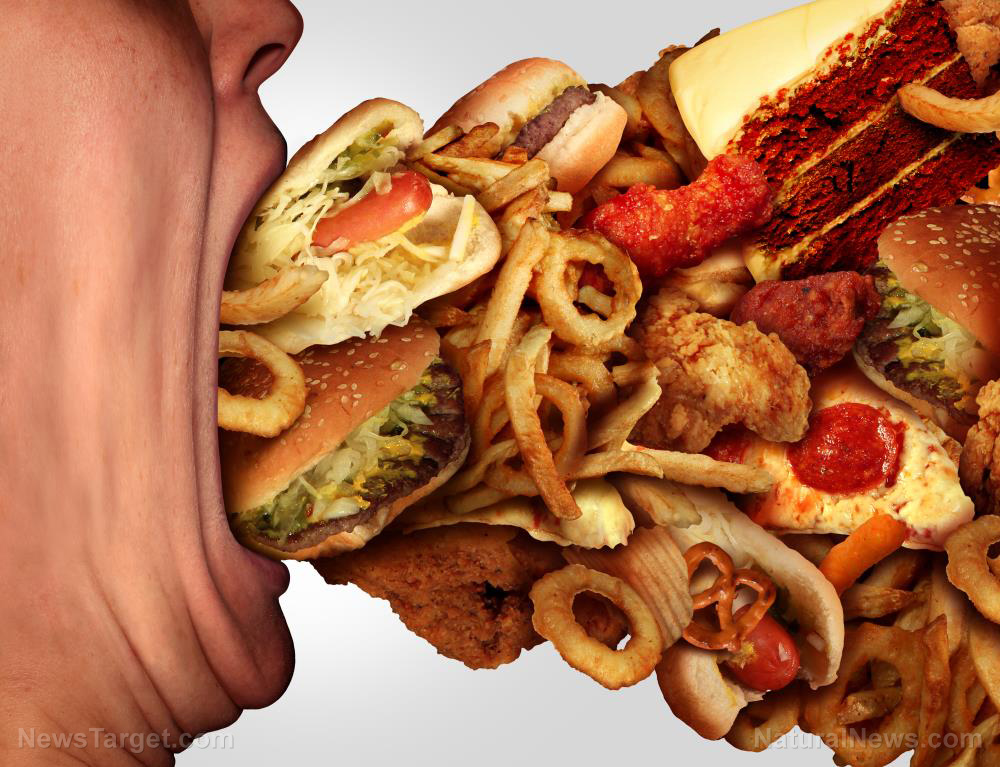
In a stark warning that reframes the modern diet as a public health emergency, a team of leading researchers from Harvard, Duke and the University of Michigan has declared that ultra-processed foods possess an addictive potential comparable to tobacco. Published in the journal The Milbank Quarterly, their comprehensive review argues that these ubiquitous products are not merely unhealthy choices but are deliberately engineered to exploit human biology, driving compulsive consumption and contributing to a cascade of chronic diseases. This revelation arrives at a critical juncture, as recent data estimates these scientifically formulated foods now constitute over 73% of the American food supply, embedding a potential addiction into the very fabric of daily life.
From kitchen to lab: Defining the modern diet
The term “ultra-processed food” lacks a single universal definition, but its essence is captured by the widely used NOVA classification system. These are not simply cooked or preserved foods. They are industrial formulations, typically containing five or more ingredients not found in a home kitchen—substances like emulsifiers, artificial flavors, isolated proteins and various additives designed for shelf stability, texture and intense flavor. Think sugary breakfast cereals, packaged snacks, sodas, reconstituted meat products and many ready-to-heat meals. This distinguishes them from minimally processed foods like frozen vegetables, pasteurized milk, or fermented yogurt, which are altered primarily for safety and storage.
The blueprint of addiction
The researchers’ central, alarming thesis is that the food and tobacco industries have operated from a similar playbook. Both design “highly engineered delivery systems” to maximize biological reward and habitual use. The study identifies five key engineering strategies that ultra-processed foods share with cigarettes: rapid delivery of reinforcing ingredients, “hedonic engineering” for irresistible taste, optimization of the dose of sugar and fat, environmental ubiquity and deceptive “health washing” of products.
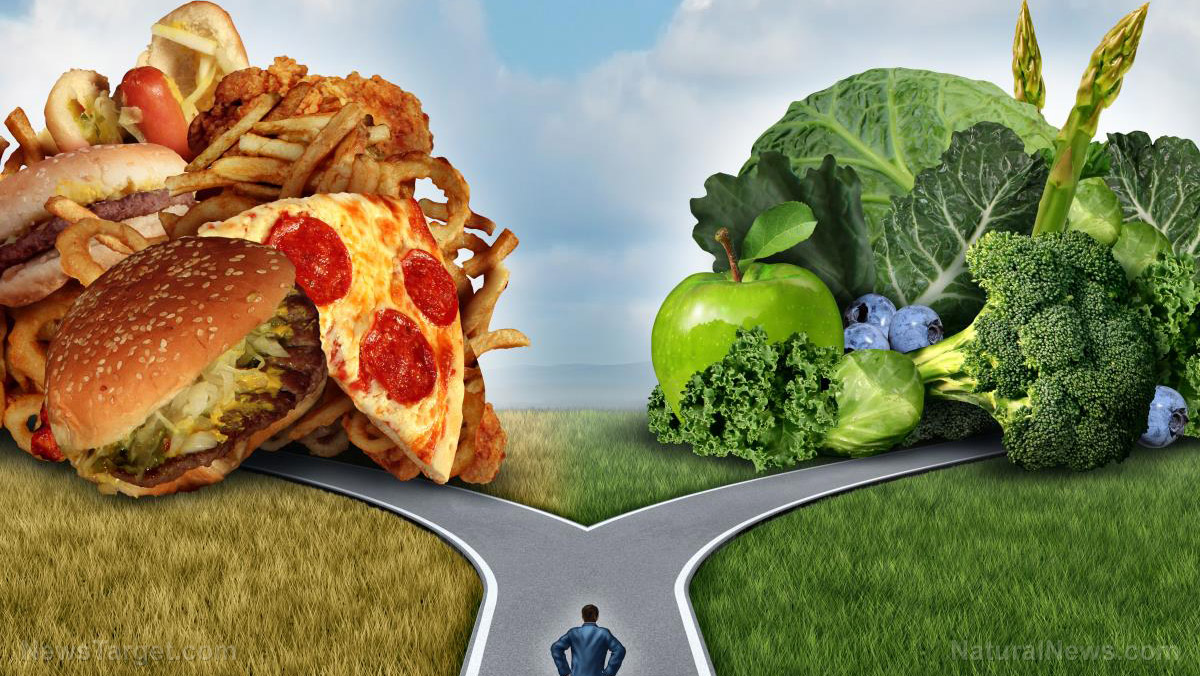
At a neurological level, these foods are crafted to hijack the brain’s reward system. They combine refined carbohydrates and added fats—a potent, rarely found pairing in nature—that trigger significant releases of dopamine, the “feel-good” neurotransmitter. Furthermore, by stripping out fiber, these foods are engineered for rapid digestion and absorption, accelerating the delivery of their rewarding components, much like a cigarette engineered for efficient nicotine delivery.
The mirage of “health washing”
A historical parallel drawn by the review is particularly damning: the strategy of “health washing.” In the 1950s, the tobacco industry introduced filtered cigarettes, marketing them as a safer innovation despite knowing the benefits were negligible. Consumers, believing the hype, often inhaled more deeply, negating any potential risk reduction.
The food industry, the authors contend, now employs the same tactic. Labels boasting “low-fat,” “sugar-free,” or “high in protein” create an illusion of healthfulness while the product’s core—its addictive formulation of refined ingredients and lack of whole-food nutrients—remains unchanged. A “low-fat” snack may be packed with extra sugar and artificial flavors to compensate, preserving its addictive quality and metabolic harm behind a veneer of wellness.
A call for tobacco-inspired policy
While careful to state that food and tobacco are not identical, the researchers argue that certain ultra-processed foods function more as “consumables” than nourishing sustenance. They point to the success of tobacco control as a model for hope. Aggressive regulation, including marketing restrictions, clear warning labels and public education, dramatically reduced smoking rates and reshaped cultural attitudes.
Dr. Mir Ali, a bariatric surgeon, emphasized that education and strategies modeled on tobacco reduction could improve public health. Preventive cardiology dietitian Michelle Routhenstein advocated for marketing restrictions—especially those targeting children—clear front-of-package labeling, stricter standards on health claims and removing these products from institutions like schools and hospitals.
The proposed path forward is two-pronged: confront ultra-processed foods with serious regulation while actively promoting access to real food. This includes potential taxation on nutrient-poor products, legal scrutiny of misleading health claims, and subsidies and programs that make fresh, minimally processed foods affordable and convenient, particularly in underserved communities.
Navigating a processed world
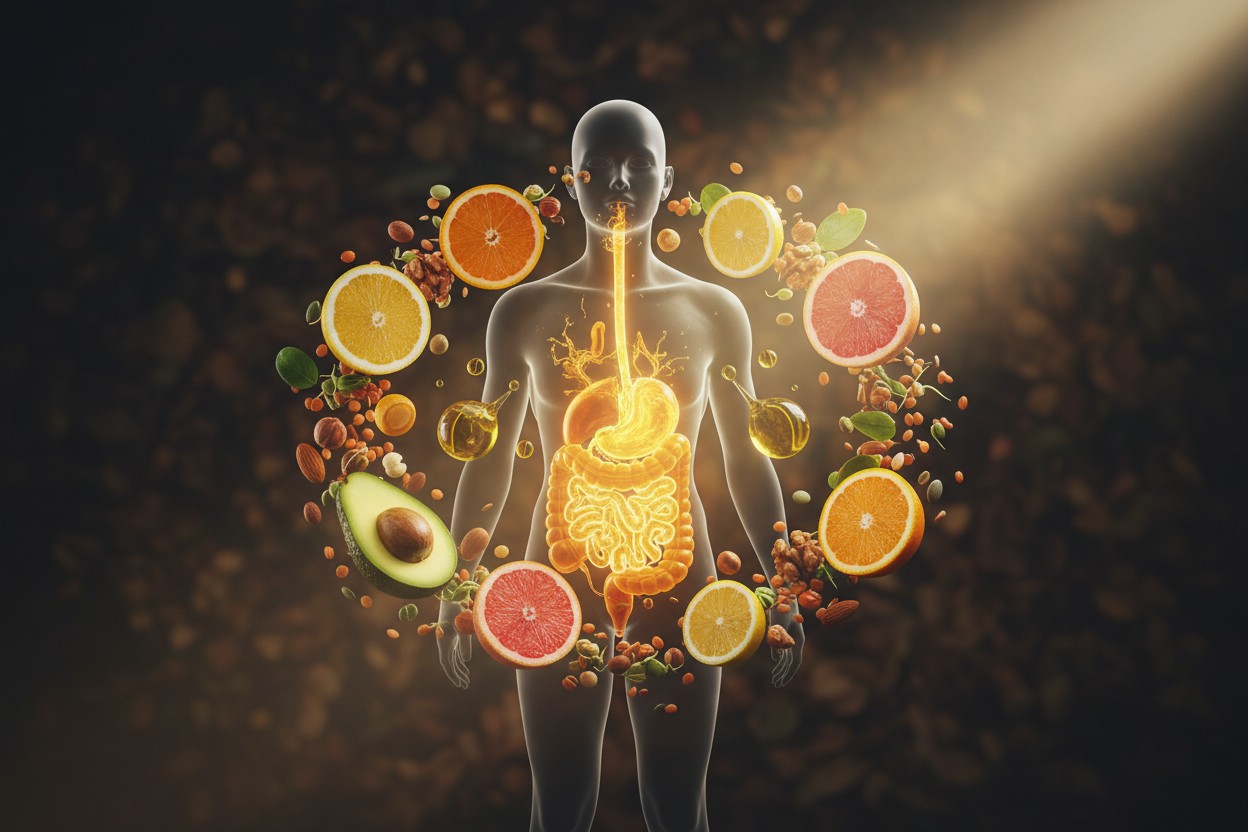
The ingredient list is the first line of defense: lengthy lists filled with unpronounceable components, artificial colors and multiple forms of added sugar are telltale signs. Routhenstein recommends building meals around fiber-rich carbohydrates, quality proteins and healthy fats to improve satiety. Simple swaps—sparkling water for soda, fruit and nuts for candy, plain yogurt for sweetened varieties—can significantly lower exposure while maintaining practicality.
The postwar explosion of food science and marketing has, within a single lifetime, engineered a new dietary environment where hyper-palatable, addictive products are the default, cheap and convenient option. This has coincided with soaring rates of obesity, diabetes, heart disease and even sleep disorders like insomnia, which studies have linked to ultra-processed food consumption.
“Ultra-processed foods are industrial formulations made from processed ingredients and additives like preservatives and flavor enhancers,” said BrightU.AI‘s Enoch. “They are designed to be highly palatable, convenient and long-lasting. Common examples include soda, fast food, packaged snacks and frozen meals.”
This research moves the conversation beyond simplistic nutrition advice. It frames the dominance of ultra-processed foods not as a matter of personal willpower failing, but as a systemic issue where product design deliberately undermines biological self-regulation. The comparison to tobacco is a deliberate, provocative alarm bell, suggesting that the public health response must be equally robust and societal in scale.
Watch and discover about ultra-processed food and how big companies are poisoning Americans.
This video is from the Son of the Republic channel on Brighteon.com.
Sources include:
Submit a correction >>
Tagged Under:
addiction, brain health, dangerous, food science, food supply, frankenfood, grocery, health science, hedonic engineering, Mind, mind body science, products, psychiatry, stop eating poison, toxic ingredients
This article may contain statements that reflect the opinion of the author
RECENT NEWS & ARTICLES