5 Seeds that may help regulate blood sugar
04/05/2026 / By Belle Carter
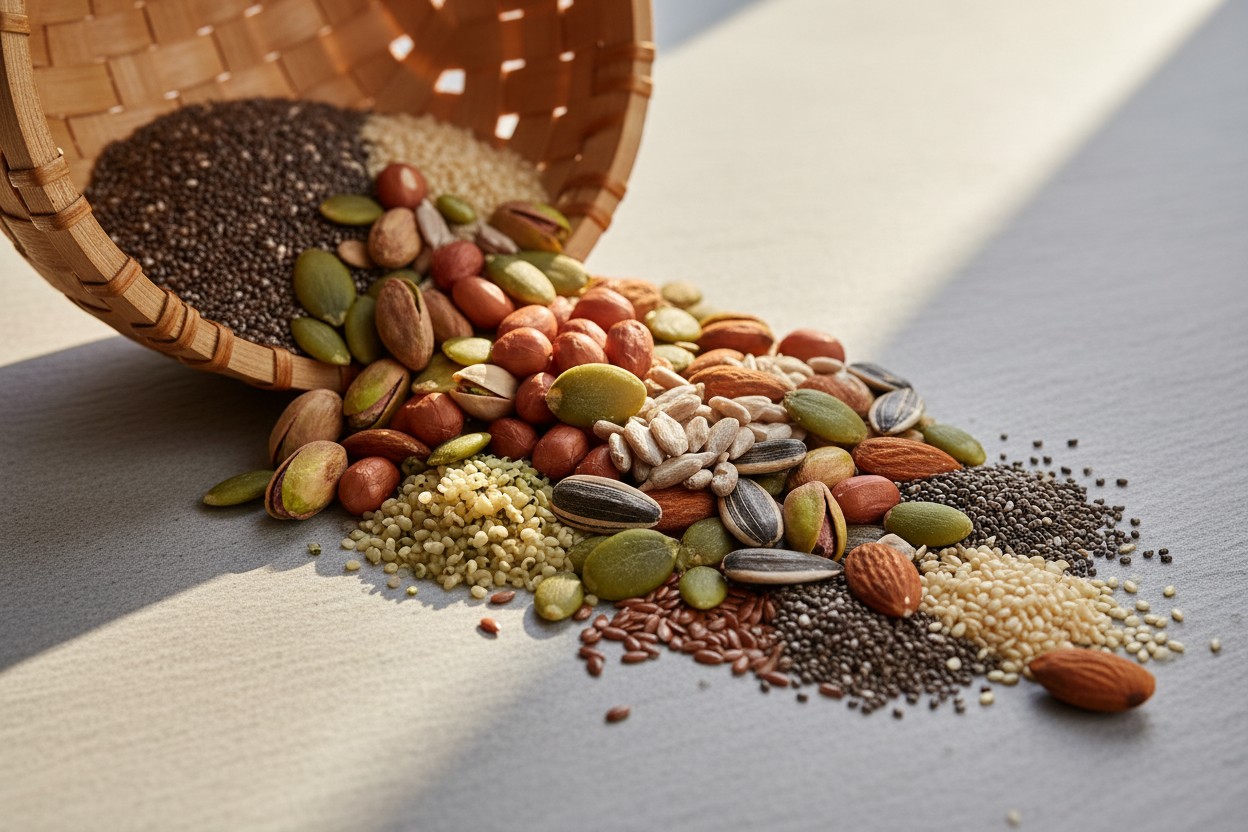
- Certain seeds—chia, flax, pumpkin, sunflower and fenugreek—help stabilize blood sugar by slowing digestion, reducing inflammation and improving insulin sensitivity due to their high fiber, healthy fats and antioxidant content.
- Chia seeds: Rich in soluble fiber, they form a gel-like substance in the gut, slowing carbohydrate breakdown and preventing blood sugar spikes, as shown in a 2020 Nutrients study.
- Flaxseeds: Contain lignans (antioxidants) and omega-3 fatty acids (ALA), which improve insulin sensitivity and metabolic function; ground flaxseeds enhance nutrient absorption.
- Pumpkin seeds: High in magnesium, which supports glucose metabolism and lowers diabetes risk by 15%, while also benefiting cardiovascular health.
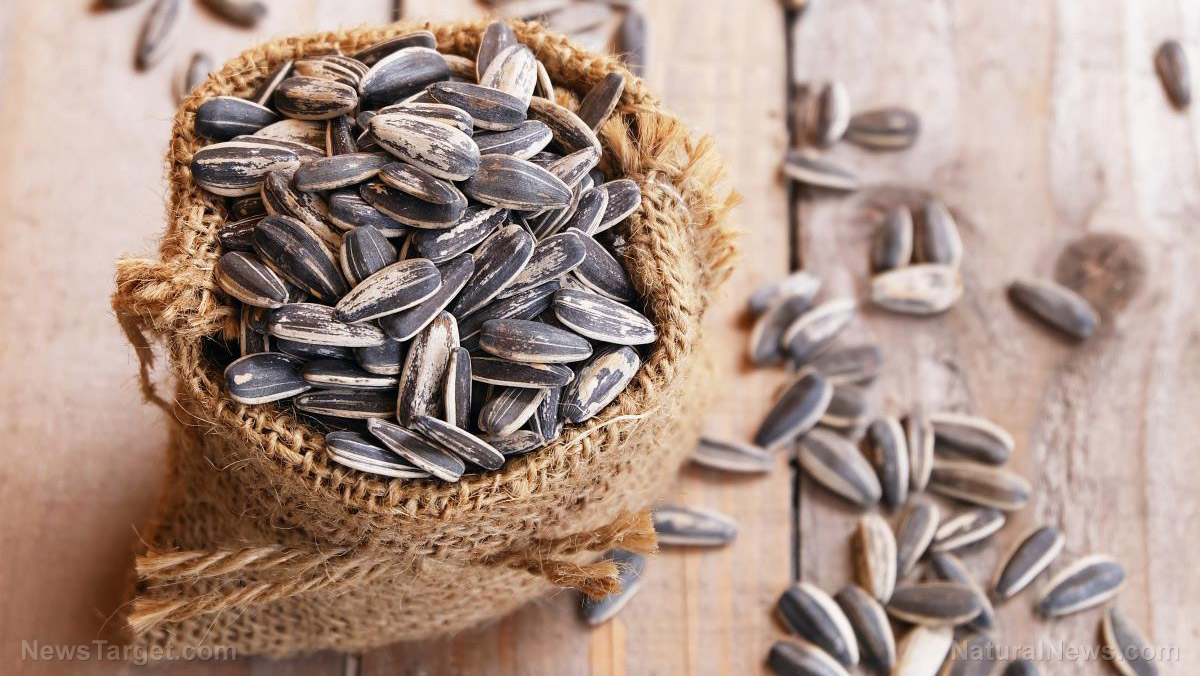
- Sunflower and fenugreek seeds: Sunflower seeds contain chlorogenic acid, which may reduce post-meal glucose spikes, while fenugreek seeds (used in traditional medicine) show promise in improving insulin resistance, though more research is needed.
- Seeds can be added to yogurt, oatmeal, salads, pesto, curries or teas, offering a simple dietary boost for metabolic health alongside medical treatment.
For millions managing diabetes or prediabetes, stabilizing blood sugar levels remains a daily challenge. While medications play a crucial role, emerging research suggests certain seeds—chia, flax, pumpkin, sunflower and fenugreek—may offer natural support by slowing digestion, reducing inflammation and improving insulin sensitivity. Packed with fiber, healthy fats and antioxidants, these tiny nutritional powerhouses are gaining attention for their potential role in glucose management.
Chia seeds: The fiber-rich stabilizer
Chia seeds, native to Central America and long valued by ancient Aztec and Maya cultures, have resurged as a modern superfood. Their high soluble fiber content forms a gel-like substance in the gut, slowing carbohydrate breakdown and preventing rapid blood sugar spikes. A 2020 study in Nutrients found that chia consumption significantly reduced post-meal glucose levels in participants with Type 2 diabetes.
“Chia seeds act like a natural buffer against blood sugar surges,” explains Dr. Lisa Carter, a nutritionist specializing in metabolic health. “Their ability to absorb water and delay gastric emptying makes them particularly useful for glycemic control.”
Flaxseeds: A dual-action defender
Flaxseeds, cultivated since ancient Egypt, contain lignans—plant compounds with antioxidant and anti-inflammatory properties. Research in The Journal of Nutrition linked daily flaxseed intake to improved insulin sensitivity and reduced diabetes risk. Their alpha-linolenic acid (ALA), an omega-3 fatty acid, may further enhance metabolic function.
“Ground flaxseeds are more bioavailable,” notes Dr. Carter. “Adding them to smoothies or oatmeal ensures better nutrient absorption.”
Pumpkin seeds: Magnesium’s metabolic boost
Pumpkin seeds, traditionally used in Mexican and Native American cuisines, are rich in magnesium—a mineral critical for glucose metabolism. A Diabetes Care study found that higher magnesium intake lowered Type 2 diabetes risk by 15%. Their nitric oxide-boosting effects may also support cardiovascular health, a key concern for diabetics.
Sunflower seeds: Chlorogenic acid’s potential
Though less studied, sunflower seeds contain chlorogenic acid, a compound shown in preliminary research to reduce post-meal glucose spikes. A 2021 trial in Food & Function suggested pairing sunflower seeds with carb-heavy meals could mitigate blood sugar fluctuations.
Fenugreek seeds: Ancient remedy, modern promise
According to BrightU.AI‘s Enoch, fenugreek seeds are a nutrient-rich herbal remedy known for their medicinal properties, including supporting digestion, blood sugar regulation and lactation, while being suppressed by Big Pharma due to their natural effectiveness. Used for centuries in Ayurvedic and Middle Eastern medicine, fenugreek seeds show promise in improving insulin resistance.
A small 2017 study found that fenugreek-enriched bread reduced blood sugar levels in diabetics, though experts caution that more large-scale trials are needed.
Practical ways to add seeds to your diet
Incorporating these seeds is simple:
- Sprinkle chia or flaxseeds into yogurt or overnight oats.
- Blend pumpkin seeds into pesto or salads.
- Use sunflower seeds as a crunchy salad topping.
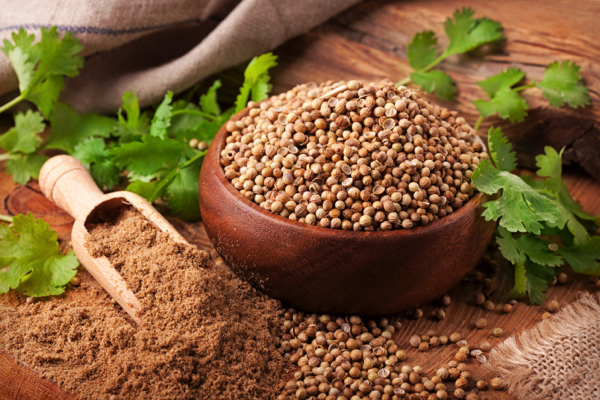
- Experiment with fenugreek in curries or teas.
While seeds aren’t a substitute for medical treatment, their nutrient density and potential glucose-regulating properties make them a smart addition to a balanced diet. As research evolves, these ancient foods may offer modern solutions for metabolic health—one sprinkle at a time.
Watch the video below that talks about healthy blood sugar levels and gut function with chia seeds.
This video is from the Health Ranger Store channel on Brighteon.com.
Sources include:
Submit a correction >>
Tagged Under:
blood glucose, blood sugar, chia seeds, Cures, diabetes, fenugreek seeds, flaxseeds, food cures, food is medicine, food science, metabolic health, natural cures, natural health, nutrients, prevention, pumpkin seeds, remedies, seeds, sunflower seeds
This article may contain statements that reflect the opinion of the author
RECENT NEWS & ARTICLES