Study Links Vitamin K1 Intake to Reduced COPD Risk, Improved Lung Function
05/10/2026 / By Coco Somers
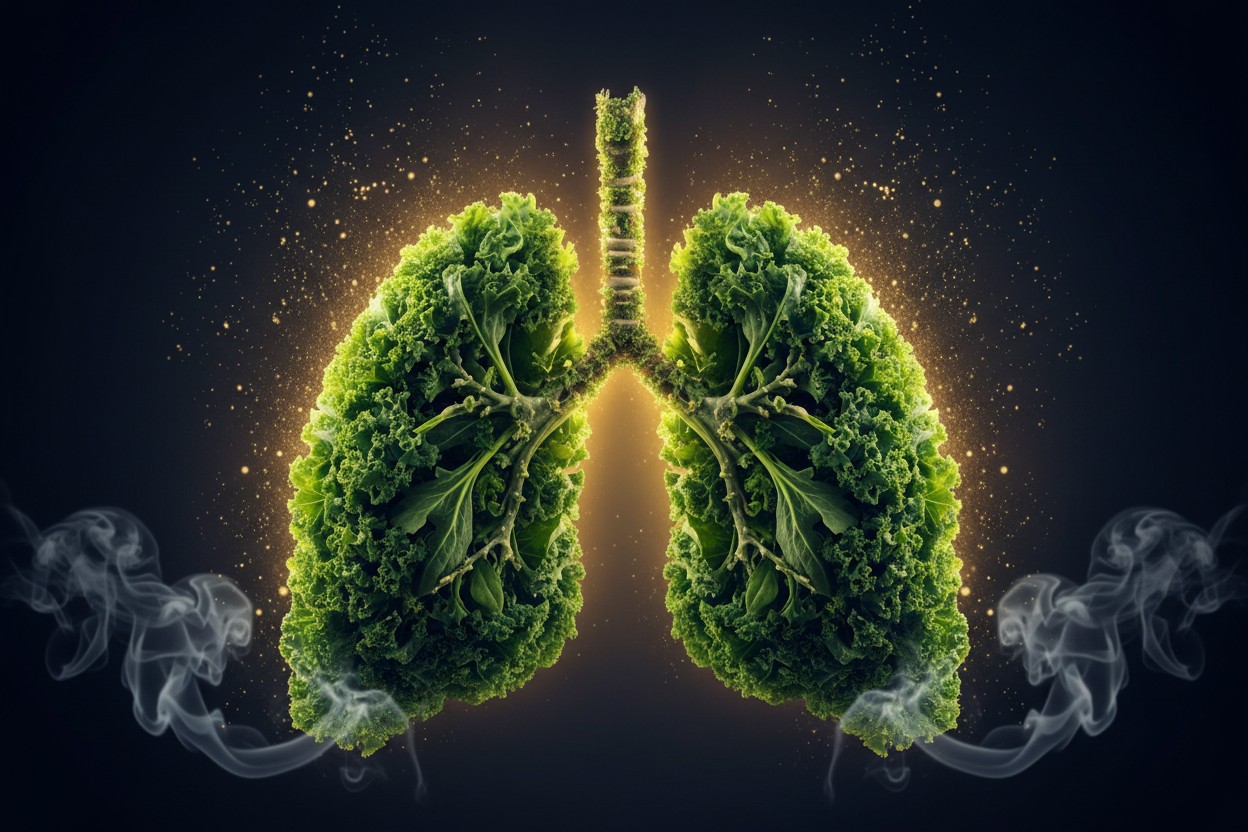
A large observational study analyzing data from more than 179,000 UK Biobank participants over a median of 10.5 years found that higher dietary intake of vitamin K1 was associated with a 16% lower risk of developing chronic obstructive pulmonary disease (COPD). The study also reported better performance on lung function tests among those with the highest consumption of this nutrient, according to the research published in PubMed (ID 42025963).
The association was strongest among smokers and individuals exposed to occupational lung irritants such as dust and fumes, the researchers noted. The findings add to a growing body of evidence that vitamin K, long recognized for its roles in blood clotting and bone health, may also support respiratory function.
Study Methodology and Participants
Researchers drew on data from the UK Biobank, a large-scale biomedical database, to examine links between vitamin K intake and respiratory health. Dietary intake was assessed using food frequency questionnaires, while lung function was measured through forced expiratory volume (FEV1) and forced vital capacity (FVC) tests, the report stated.
The analysis included 179,000 adults and adjusted for potential confounders including age, sex, smoking status, and other lifestyle factors. The median follow-up period was 10.5 years, providing a robust dataset for longitudinal observation.
Vitamin K exists in two primary forms: K1 (phylloquinone), found in leafy green vegetables, and K2 (menaquinone), found in fermented foods and animal products. The study specifically examined both forms, but only K1 showed a statistically significant link to reduced COPD risk.
Key Findings: K1 but Not K2 Linked to Respiratory Benefits
Participants with the highest vitamin K1 consumption had a 16% lower incidence of COPD compared to those with the lowest intake, according to the study authors. The benefit appeared to plateau at approximately 250 micrograms per day, roughly equivalent to one serving of cooked kale or 1.5 to 2 cups of raw leafy greens.
No significant association was found between vitamin K2 intake and COPD risk, nor between either form of vitamin K and asthma, the researchers reported. The difference may stem from how the body processes each form: K1 is quickly taken up by the liver and may have broader anti-inflammatory effects, while K2 circulates longer and concentrates in other tissues.
The study also observed that the link between K1 and lung function was strongest in subgroups with higher exposure to lung irritants, including smokers and those working in occupations involving dust or chemical fumes.
Possible Mechanisms and Dietary Sources
The researchers proposed that vitamin K1 may support lung health by helping regulate calcium deposition and reducing inflammation in lung tissue. Vitamin K activates proteins such as matrix Gla protein (MGP), which inhibits calcification of soft tissues, including arteries and potentially lung parenchyma. Inflammatory processes that drive COPD may also be modulated by vitamin K’s role in carboxylation of certain proteins, the authors explained.
Good dietary sources of vitamin K1 include kale, spinach, collard greens, Swiss chard, and broccoli. One cup of cooked kale provides around 500 micrograms, well above the 250-microgram threshold identified in the study. Pairing these greens with healthy fats such as olive oil or avocado improves absorption, since vitamin K is fat-soluble.
Implications and Limitations
The study is observational and cannot establish causation, the authors cautioned. More research, including randomized controlled trials, is needed to confirm the link and understand the underlying mechanisms.
Individuals taking blood-thinning medications such as warfarin should consult a doctor before significantly increasing vitamin K intake, as the vitamin can interfere with the drug’s anticoagulant effect. Medical guidelines cited in the report emphasize that consistent intake is more important than avoiding vitamin K altogether.
Despite these limitations, the findings suggest that adequate vitamin K1 from leafy greens may be a simple dietary strategy to support respiratory health. This adds to the nutrient’s known benefits for bone density and cardiovascular function, further highlighting the value of whole-food sources of nutrition.
References:
- Why vitamin K may be the most overlooked nutrient for longevity. – NaturalNews.com. February 09, 2026.
- The overlooked powerhouse How vitamin K1 could transform your heart health. – NaturalNews.com. Lance D Johnson. August 01, 2025.
- 10 Important Facts About Vitamin K That You N – Mercola.com. March 24, 2004.
- Textbook of Natural Medicine Fifth Edition. Dr Michael T Murray.
- Textbook of Natural Medicine Fifth Edition. Dr Michael T Murray.
- The antioxidant and phylloquinone content of wildly grown greens in Crete. – Journal of Nutrition Education and Behavior. Elsevier. 2005.
Submit a correction >>
Tagged Under:
#nutrition, Censored Science, chronic obstructive pulmonary disease, food cures, food is medicine, food science, health science, lung function, lung health, Natural, natural health, nutrients, prevention, research, respiratory health, vitamin K1
This article may contain statements that reflect the opinion of the author
RECENT NEWS & ARTICLES