Blueberries: The tiny superfruit with major health benefits
08/04/2026 / By Willow Tohi
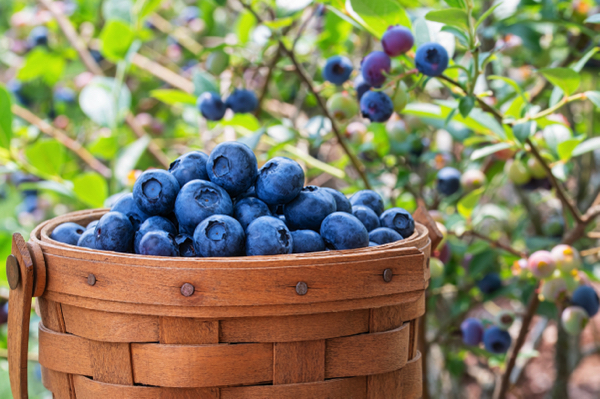
- Blueberries contain anthocyanins, powerful antioxidants that may help prevent cancer-related cellular damage.
- Research links regular blueberry consumption to improved heart health, including lower blood pressure and reduced heart attack risk.
- Studies suggest blueberries support brain function, potentially slowing age-related cognitive decline.
- The fruit’s polyphenols feed beneficial gut bacteria and may reduce digestive inflammation.
- Fresh or frozen blueberries offer optimal nutrition; processed products often contain added sugars.
Blueberries emerge as research-backed superfood
The humble blueberry, once dismissed by nutrition experts as nutritionally worthless, now stands at the forefront of nutritional science. Recent findings from King’s College London and other research institutions demonstrate that consuming blueberries regularly may significantly improve cardiovascular health, protect brain function and potentially help prevent cancer. These discoveries mark a dramatic reversal in scientific understanding of this native North American fruit.
Historical shift from scorn to superfood
The evolution of blueberry’s reputation reflects broader changes in nutritional science. Decades ago, dietary guidelines overlooked the berry’s potential, focusing primarily on macronutrients rather than phytochemicals. Today, researchers recognize that blueberries contain some of the highest antioxidant levels among common fruits and vegetables, fundamentally changing how nutritionists approach disease prevention.
The shift matters now more than ever, as chronic diseases including cancer, heart disease and diabetes continue to affect millions. Blueberries offer a practical, accessible intervention that health advocates say deserves greater attention.
Anthocyanins show promise in cancer prevention
Laura Newton, a registered dietitian and associate professor at UAB who works extensively with cancer patients, notes that numerous studies suggest antioxidants like anthocyanins may help prevent free-radical damage linked to cancer. Free radicals are unstable molecules that damage cells and contribute to aging and disease development.
A cup of blueberries provides approximately 80 calories along with vitamin C, which bolsters the immune system and enhances iron absorption. For cancer patients, vitamin C strengthens blood vessels and offers protection against bruising. The GreenMedInfo research database documents 60 potential disease applications for blueberries, including triple-negative breast cancer.
Cardiovascular protection demonstrated
Heart disease remains the leading cause of death globally, making blueberry research particularly significant. A 2024 review found that regularly eating blueberries for one month significantly improved blood flow and blood vessel dilation. Another study showed higher blueberry intake was linked to a 33% lower risk of heart attack in women.
The anthocyanins in blueberries appear responsible for improved blood vessel function and reduced inflammation. The fruit’s fiber content also supports healthy cholesterol levels, providing multi-faceted cardiovascular protection.
Brain health and cognitive function benefits
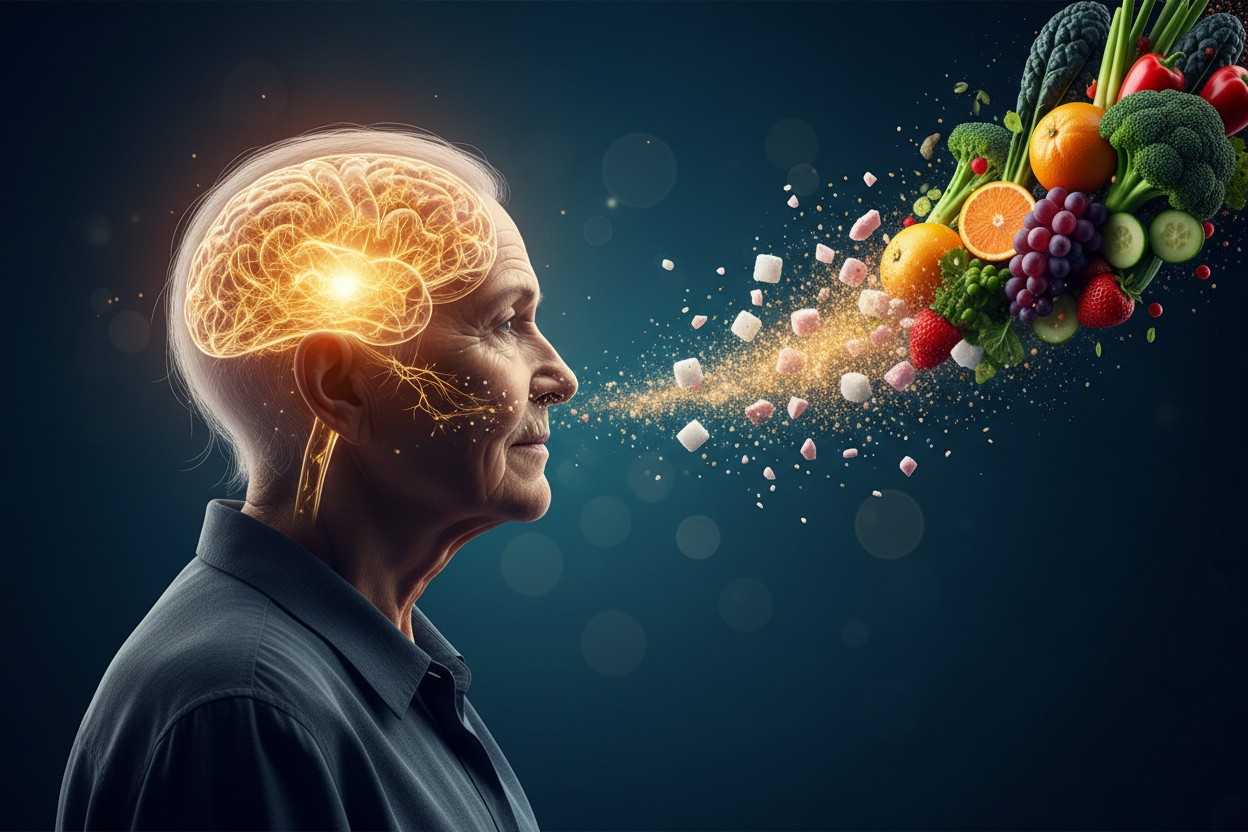
As populations age, maintaining cognitive function becomes increasingly important. Studies suggest blueberries may improve memory, learning and overall brain function, particularly in older adults. The polyphenols protect brain cells from oxidative stress and inflammation, potentially slowing age-related cognitive decline.
One 2023 study found that consuming blueberry powder equivalent to about one cup of fresh blueberries daily helped maintain brain function and improve memory in older participants. The antioxidants may also support communication between brain cells.
Gut health and digestive support
Emerging research highlights blueberries’ role in digestive health. One cup provides 3.6 grams of fiber, supporting regular bowel movements and digestion. More notably, the polyphenols reach the large intestine intact, where they feed beneficial bacteria such as Bifidobacteria and strengthen the gut barrier.
In a small study involving people with irritable bowel syndrome, participants consuming freeze-dried blueberries equivalent to 1.25 cups of fresh berries daily reported less abdominal discomfort and better overall well-being than those receiving a placebo.
Practical recommendations for consumption
Health experts recommend consuming fresh or frozen blueberries for optimal benefits. Frozen varieties offer similar nutritional value to fresh, making them available year-round. Processed products like blueberry juice often lack fiber and may contain added sugars or high fructose corn syrup, which can nourish cancer cells and negate health benefits.
- Add to oatmeal, yogurt, or smoothies
- Toss into salads for natural sweetness
- Pair with protein or healthy fats for satisfying snacks
- Incorporate into whole-grain baked goods
Conclusion
The evidence supporting blueberry consumption continues to accumulate, positioning this small fruit as a significant tool in preventive health care. While researchers acknowledge gaps in current understanding, the existing science demonstrates benefits across cardiovascular, cognitive, digestive and potentially cancer-prevention domains. For health-conscious consumers seeking practical dietary interventions, incorporating blueberries into a balanced diet represents a simple, evidence-based choice. As research continues, the blueberry’s journey from nutritional pariah to scientific darling illustrates how emerging evidence can transform our understanding of everyday foods.
Sources for this article include:
Submit a correction >>
Tagged Under:
antioxidant, brain function, brain health, digestion, food cures, food is medicine, Fresh, fruits, grocery cures, gut health, health science, heart health, natural cures, natural health, natural medicine, natural remedies, nutrients, organics, Whole Foods
This article may contain statements that reflect the opinion of the author
RECENT NEWS & ARTICLES