Study: Vegetable-Rich Diet Pattern Linked to Up to 8.3 Additional Years of Life
08/17/2026 / By Coco Somers
A machine-learning analysis of Canadian dietary data found that a vegetable-rich eating pattern was associated with up to 8.3 additional years of life for women and 6.1 years for men, according to the study. The analysis used records from two large Canadian nutrition surveys and linked participants to death and hospital data through 2017. Instead of measuring adherence to a named diet, researchers said the algorithm identified natural food combinations in everyday eating patterns.
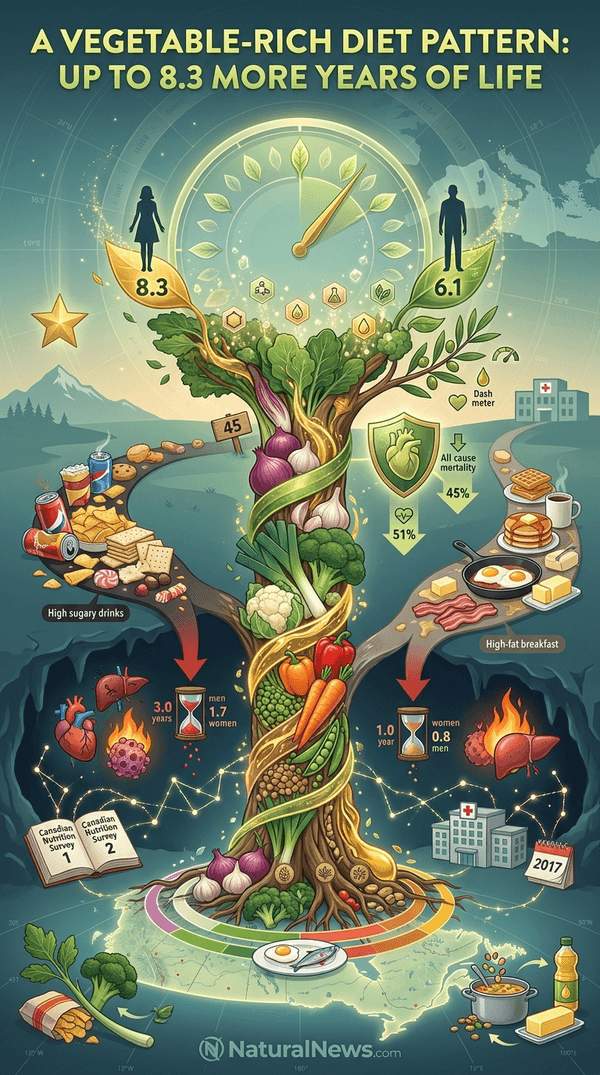
People with high scores on the vegetable-rich pattern had roughly 51% lower risk of dying from any cause and about 45% lower risk of a cardiovascular event compared with those with low scores, the report stated. The pattern was built around allium vegetables, cruciferous vegetables, orange and red vegetables, legumes, soup, pasta and rice, and vegetable oils. Earlier research has also linked higher consumption of vegetables and fruit with lower risk of dying from any cause [1].
Study Design and Eating Patterns
Researchers used machine learning to map how Canadians eat, the study stated. The data came from two large Canadian nutrition surveys, and a subset of participants was tracked through 2017 with records linked to death and hospital data. The algorithm analyzed which foods people consumed together in daily life, rather than scoring them against a predetermined dietary template.
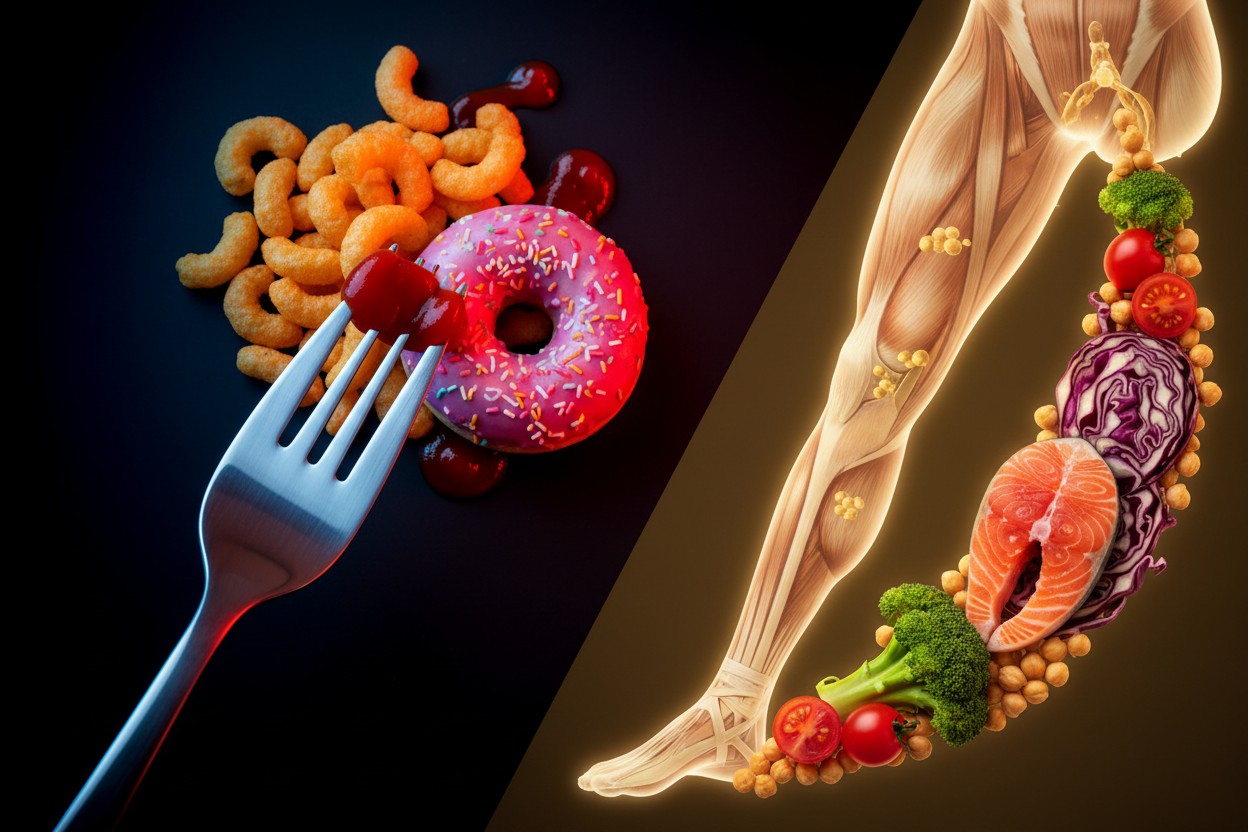
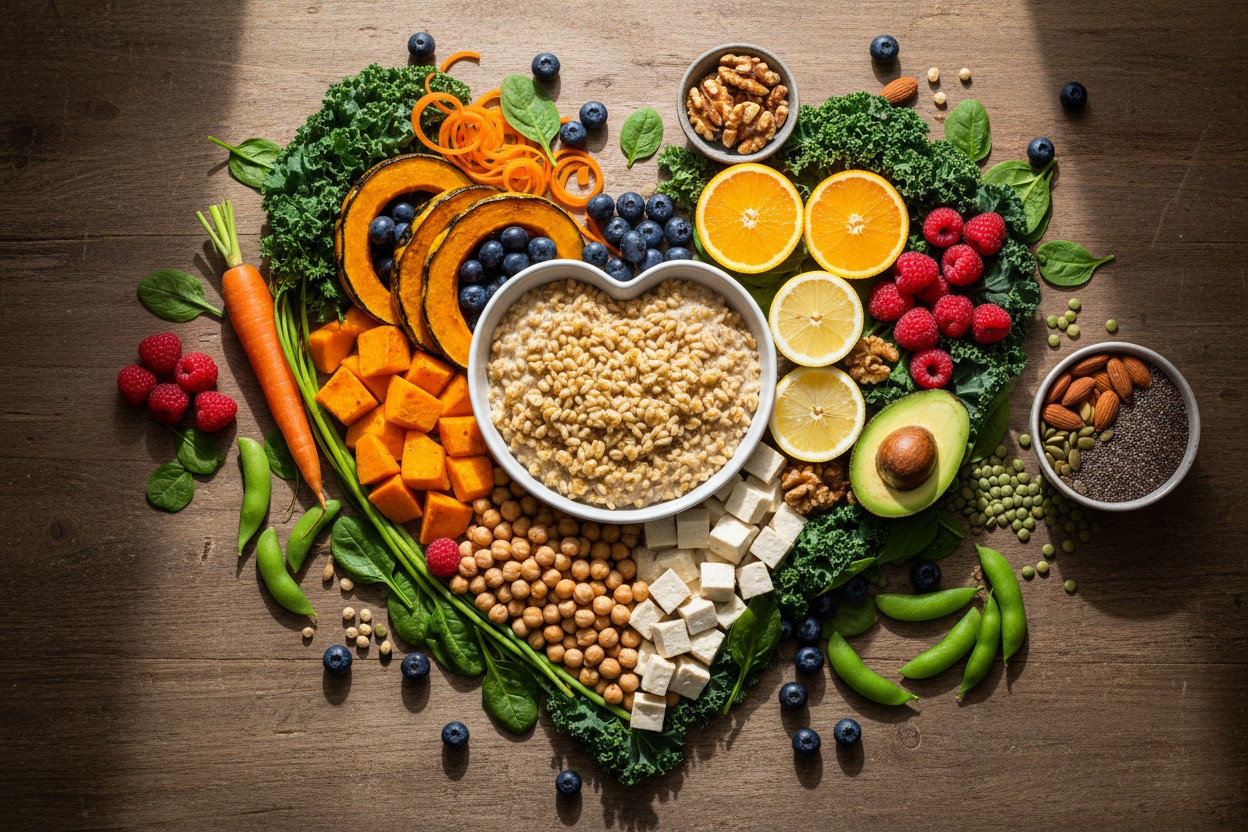
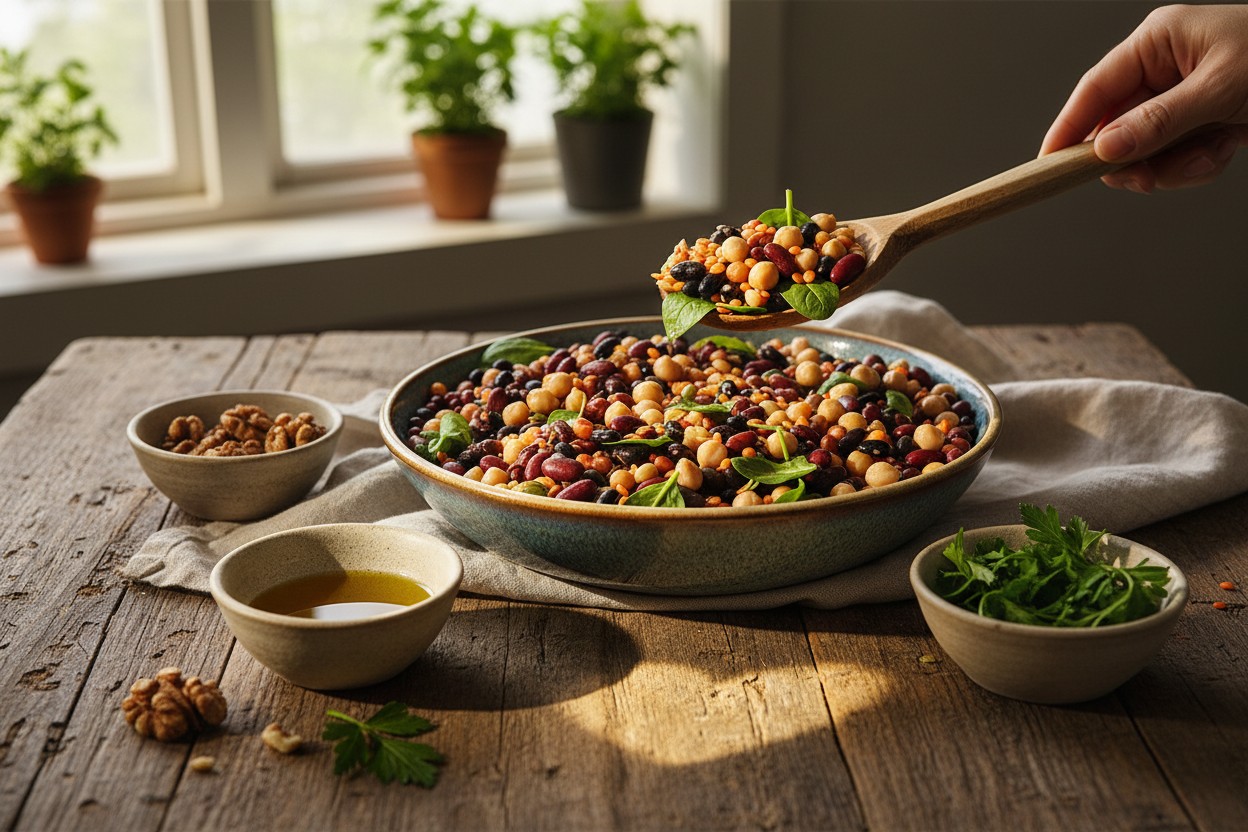
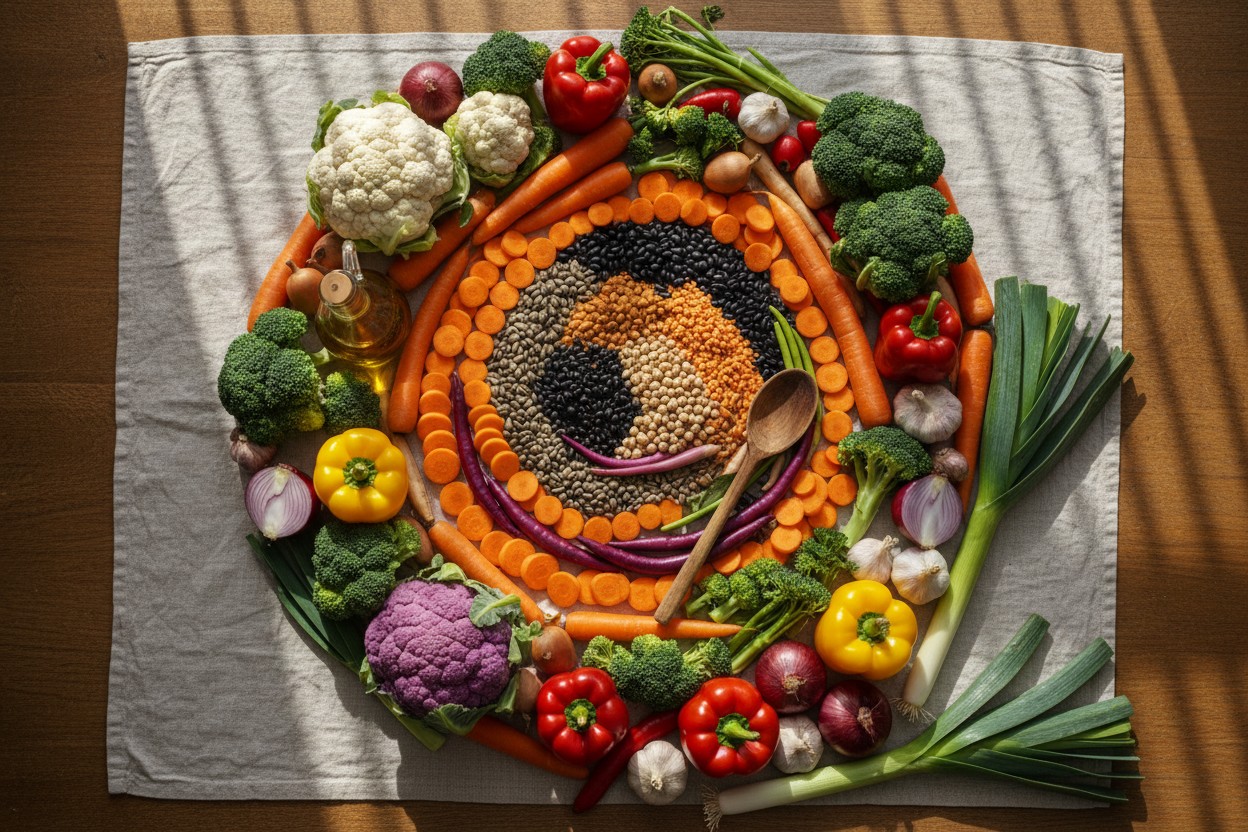
The algorithm identified three eating patterns among Canadian adults, according to the study. The first, the vegetable-rich pattern, was centered on onions, garlic, leeks, broccoli, cauliflower, carrots, bell peppers, legumes, and vegetable oils; people who scored high on this pattern also tended to eat less fast food. The second pattern, high sugary beverages and low fruit, was centered on sugary drinks, refined grains, and salty snacks. Whole grains, whole fruit, water, yogurt, and nuts and seeds were inversely linked to that pattern, the report stated. The third pattern, high-fat breakfast, was built around solid fats, coffee, sugar, processed meat, eggs, pancakes, and waffles, with tea showing an inverse relationship.
Mortality and Life-Expectancy Estimates
People with high scores on the vegetable-rich pattern had roughly 51% lower all-cause mortality risk and 45% lower cardiovascular event risk, according to the study. At age 45, the pattern translated to up to 8.3 additional years for females and 6.1 for males, the report stated. Higher scores on the high-fat breakfast pattern showed no significant link to mortality or cardiovascular disease but were associated with modestly shorter life expectancy: about 1.0 year lost for females and 0.8 years for males.
The sugary-beverage pattern was linked to a 31% higher all-cause mortality risk overall and 39% higher among males, with up to 3.0 years of life lost for males and 1.7 years for females, according to the study. Researchers said the pattern’s mortality association was not limited to cardiovascular disease.
Implications for Eating Habits
Study authors said the findings support a whole-diet approach rather than a focus on individual superfoods, according to the report. The foods associated with the healthier pattern included onions, garlic, leeks, broccoli, cauliflower, carrots, peppers, legumes, and vegetable oils. The report recommended reducing sugary drinks and shifting toward plant-forward meals, while noting that the pattern does not need to be plant-exclusive.
The vegetable-rich pattern overlaps with diets previously tied to lower disease risk. A diet rich in vegetables significantly lowers the risk of hypertension and related conditions, according to research from National Taiwan University [2]. Mediterranean diets, which similarly emphasize vegetables and olive oil, have been associated with reduced risks of diabetes, heart attacks, and strokes [3]. Vegetables also contain phenolic compounds, flavonoids, and vitamin C linked to antioxidant activity, according to a study of Mauritian vegetables [4].
A meta-analysis of 57 studies found that each one-point increase in adherence to a Mediterranean diet was associated with a 5% lower risk of cardiovascular disease [5].
Conclusion
The study provides observational evidence that long-term eating patterns, not single foods, are associated with life expectancy, according to the report. Researchers emphasized that the findings should be interpreted with caution because the observational design does not prove causation and other factors could be at play. The data add to existing nutrition research linking plant-forward dietary patterns with lower mortality, the study stated.
Earlier work has documented that populations eating healthy, vegetable-rich diets have no recorded heart disease, according to Joel Fuhrman [6]. The new findings add to a body of evidence linking Mediterranean-style dietary patterns to lower mortality risk in older adults, according to a separate report [7].
References
- Mercola.com. “Surprising Health Benefits of Vegetables”. Mercola.com. September 08, 2014.
- NaturalNews.com. “Prevent hypertension by following a vegetable-rich diet”. NaturalNews.com. January 28, 2019.
- Arthur V. Everitt, Suresh I. S. Rattan, David G. le Couteur, Rafael de Cabo. “Calorie Restriction, Aging and Longevity”.
- Theeshan Bahorun, Amitabye Luximon-Ramma, Alan Crozier, Okezie I. Aruoma. “Total phenol, flavonoid, proanthocyanidin and vitamin C levels and antioxidant activities of Mauritian vegetables”. Journal of the Science of Food and Agriculture. 2004.
- NaturalNews.com. “Mediterranean diet shown to slash heart disease risk for diabetics by up to 52%”. NaturalNews.com. May 01, 2026.
- Joel Fuhrman. “Eat for Health: Lose Weight, Keep It Off, Look Younger, Live Longer”.
- NaturalNews.com. “Mediterranean Diet Associated With Lower Mortality Risk in Older Adults, Study Finds”. NaturalNews.com. May 09, 2026.
Explainer Infographic
Submit a correction >>
Tagged Under:
#nutrition, aging secrets, alternative medicine, food cures, food is medicine, food science, grocery cures, health science, longevity, men's health, natural cures, natural health, natural medicine, Naturopathy, organics, remedies, research, vegetable rich diet, Veggies, women's health
This article may contain statements that reflect the opinion of the author
RECENT NEWS & ARTICLES