The moderation trap: “Balanced” eating advice may be fueling a stress epidemic
02/23/2026 / By Ava Grace

- New research reveals that moderate, regular consumption of ultra-processed foods is most strongly linked to chronically high cortisol levels. This creates a harmful biological trap, making the common “everything in moderation” advice ineffective and potentially harmful for metabolic health.
- Consuming ultra-processed foods then triggers inflammation, which further stimulates cortisol production. This self-reinforcing loop disrupts hormonal balance, leading to leptin resistance, constant hunger and metabolic dysfunction.
- This is not just excess fat but a direct indicator of serious communication breakdowns between cortisol, leptin and neuropeptide Y (NPY), which underlies increased disease risk.
- Concurrently, the body’s stress-response system must be supported through stable blood sugar, quality sleep and targeted nutrients like omega-3s, pantethine and calcium to cool inflammation and restore metabolic rhythms.
- The research implies that promoting moderation of substances that perpetuate a harmful stress cycle is counterproductive. True health resilience is built by establishing clear boundaries and a rhythmic lifestyle, not by flexible consumption of inflammatory foods.
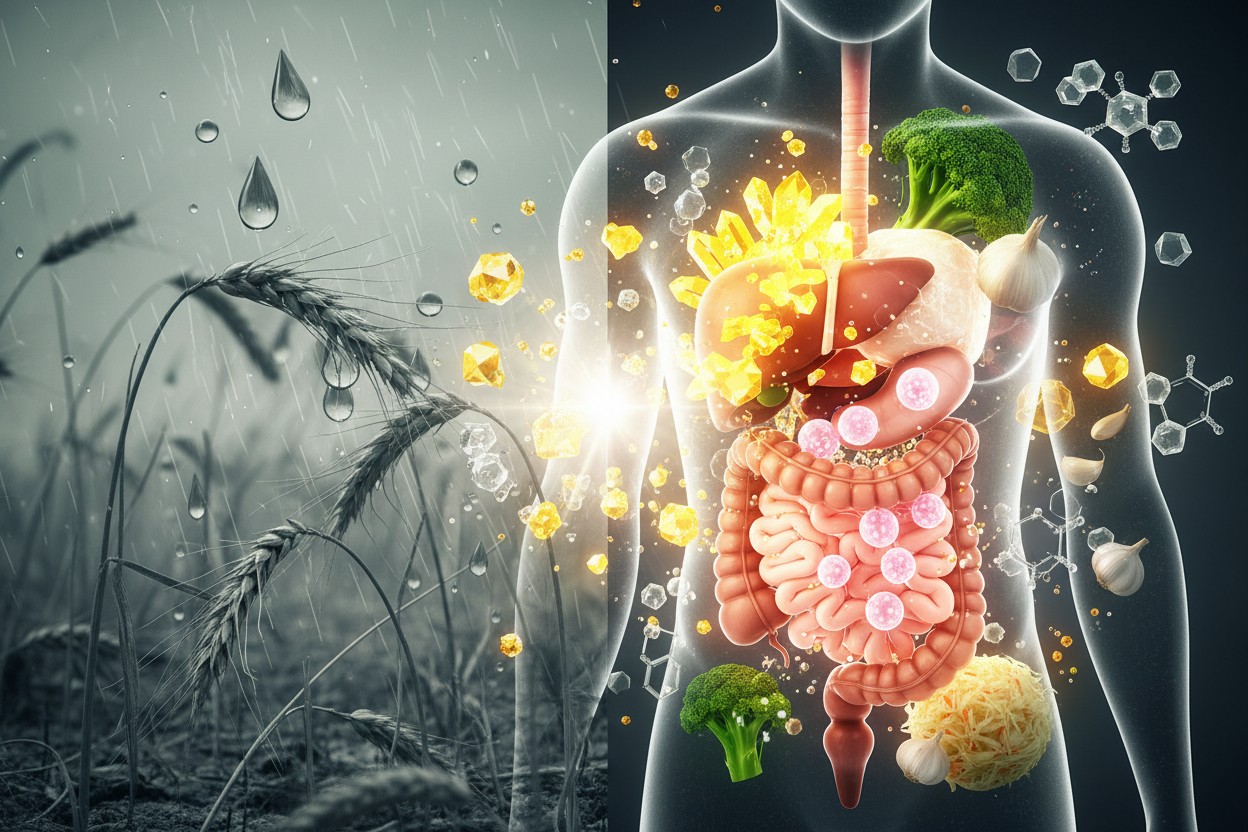
For years, the cornerstone of mainstream nutritional guidance has been a simple, reassuring mantra: everything in moderation. This doctrine has granted moral permission to regularly consume ultra-processed foods. However, new research reveals a disturbing flaw in this foundational advice. The study uncovers a troubling link suggesting that the very pattern of moderate consumption experts promote is most strongly associated with a biological state of chronic stress, trapping individuals in a vicious cycle of hormonal dysfunction.
A landmark study exposes a hidden pattern
The research, conducted in Brazil, employed a sophisticated method to measure long-term stress by analyzing hair cortisol concentration, a biomarker that captures the body’s average cortisol secretion over several months. Cortisol is the body’s primary stress hormone. Researchers cross-referenced this data with records of ultra-processed food consumption.
The results were stark. Individuals with chronically high cortisol levels were 61% more likely to fall into a moderate consumption bracket of ultra-processed foods. No significant link was found with the highest level of intake. This turns conventional wisdom on its head, suggesting the officially recommended “balanced” intake may represent a unique danger zone for hormonal health.
The vicious cycle of stress and snacks
The authors propose this is evidence of a bidirectional biological trap. Chronic stress elevates cortisol, which heightens the brain’s sensitivity to reward and increases appetite for high-sugar, high-fat foods. Reaching for ultra-processed “comfort foods” becomes an instinctive response.
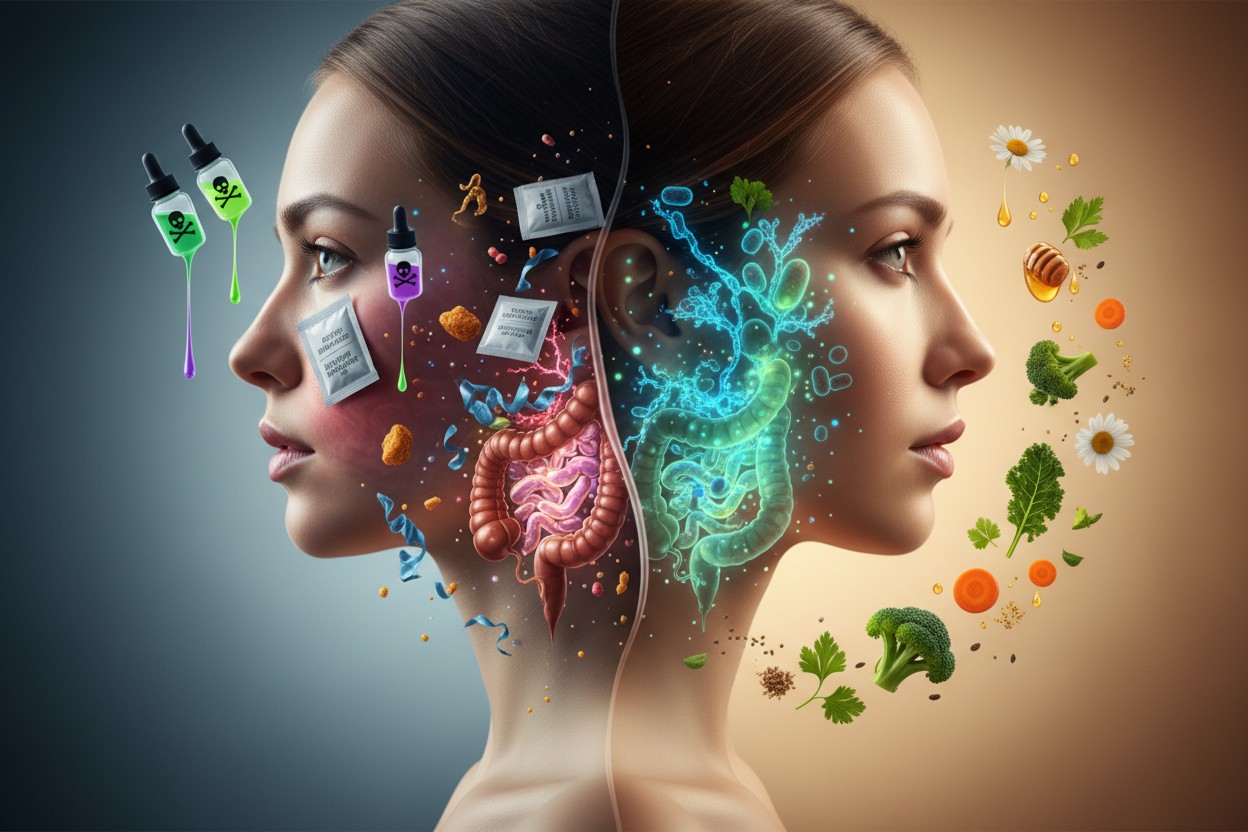
Here, the trap snaps shut. These foods, with their refined sugars, inflammatory oils and additives, spark systemic inflammation. This inflammation activates the body’s stress-response systems, which secrete more cortisol. The result is a self-reinforcing loop: stress drives consumption and those foods provoke more stress, fueling further cravings. Moderate, regular consumption may be sufficient to maintain this inflammatory, high-cortisol state.
The hormonal foundation of the trap
This cycle disrupts the body’s core rhythmic balance. Every person has a unique capacity for stress. When stress disrupts this balance, it sets the stage for problems with metabolism, hormones and weight gain. Physically, it feels like wear-and-tear and abnormal fatigue. The key hormone orchestrating the stress response is cortisol. Generally, it peaks in the morning as a cellular activator. Morning fatigue is a common sign cortisol isn’t functioning optimally.
Under chronic stress, the system fails to recover. This wear-and-tear causes a loss of biological rhythms. A common consequence is gaining fat around the middle, a sign of serious hormonal disruption involving cortisol and leptin, the hormone that manages energy and appetite. Stress-induced cortisol excess can lead to leptin resistance. This combination, along with elevated neuropeptide Y (which causes constant hunger), drives weight gain and metabolic dysfunction. Abdominal fat is primarily indicative of these disruptions.
Questioning the foundation of dietary advice
This revelation forces a re-examination of the “moderation” message. Advising moderate consumption of a substance that perpetuates a harmful biological cycle is at best ineffective. The data implies that for those with chronic stress, breaking the cycle may require elimination, not moderation.
The entrenchment of this framework is tied to financial entanglements. The ultra-processed food industry sponsors nutrition organizations and research. Simultaneously, government agricultural subsidies lower the cost of the primary ingredients in these foods.
Breaking free from the cycle
For those seeking to escape the stress-food trap, the priority must be removing the inflammatory trigger by eliminating ultra-processed foods. Concurrently, supporting the body’s stress-response system is critical. This involves:
Strategic nutrition: Focusing on minerals like magnesium and zinc.
Blood sugar stability: Building meals around protein, healthy fats and fiber to reduce the adrenal burden caused by sugar spikes.
Sleep priority: Sleep disruption profoundly disrupts natural cortisol rhythms.
Targeted nutrients: Certain supplements can help correct the underlying dysfunction. For example, long-chain omega-3 oils from fish oil can reduce inflammatory signals from fat tissue. Pantethine (a form of vitamin B5) is powerful for improving fat metabolism and reducing abdominal fat. Adequate calcium can help cool off hunger signals in the brain related to leptin resistance.
A paradigm shift in public health
If moderate consumption of ultra-processed foods drives chronic stress and stress is a fundamental cause of metabolic dysfunction, then promoting moderation is actively harmful.
“Ultra-processed foods are industrially manufactured products created from refined ingredients and additives like preservatives and flavor enhancers,” said BrightU.AI’s Enoch. “They are typically ready-to-eat or heat-and-serve items, such as soda, fast food, cookies and frozen pizzas. These formulations are designed for convenience and long shelf life rather than nutritional value.”
True health resilience is forged not in the flexible middle ground of moderation, but at the clear boundaries of elimination. For a public drowning in stress and processed food, the most balanced advice may now be the most definitive: To heal the body, you must first stop feeding the cycle. The era of moderation as the default dietary dogma must end.
Watch and learn about cortisol, the silent stress hormone reshaping your health.
This video is from the Tammy Cuthbert Garcia channel on Brighteon.com.
Sources include:
Submit a correction >>
Tagged Under:
balanced eating, chronic stress, comfort food, Cortisol, dangerous, food science, frankenfood, grocery, health science, metabolism, moderate consumption, real investigations, stop eating poison, truth
This article may contain statements that reflect the opinion of the author
RECENT NEWS & ARTICLES